12m Electric City Bus Buying Guide: Range, Charging, and Cost
When evaluating a 12m Electric city bus for your fleet operations, understanding the critical factors of range capabilities, charging infrastructure requirements, and total cost of ownership becomes essential for making informed procurement decisions. Modern electric city buses offer operational ranges between 150-300 kilometers on a single charge, with rapid charging solutions enabling efficient fleet management. The comprehensive evaluation of battery technology, energy efficiency metrics, and long-term operational costs helps procurement managers optimize their investment while meeting sustainability goals and regulatory compliance requirements across diverse urban transit applications.
Understanding the Specifications and Performance of 12m Electric City Buses

Electric city buses' technical specs are the basis for their successful fleet rollout and operating efficiency. Modern electric buses are usually 12 meters long and can hold between 70 and 90 people, based on how they are configured and the safety standards in the area.
Battery Technology and Capacity Considerations
The batteries in electric buses are what make them work. The most popular battery technologies are lithium iron phosphate (LiFePO4) and nickel manganese cobalt (NMC). Most 12-meter electric buses have batteries with sizes between 300 and 500 kWh, which directly affects their operating range and how often they need to be charged.
LiFePO4 batteries are safer and last longer than other types. They can usually handle 4,000 to 6,000 filling sessions before their capacity starts to drop significantly. These systems keep working well even when the temperature changes, so they can be used in a wide range of climates found in global markets. NMC battery designs offer higher energy density, which lets them have longer ranges in smaller installation areas. The technology allows rapid charging methods, which cut down on downtime during busy times.
Operational Range and Energy Efficiency Factors
Range performance changes a lot depending on the surroundings, the route, and the operating conditions. On urban roads with lots of stops, a charge can last for 150 to 200 kilometers, while on highways, it can last for 250 to 300 kilometers in ideal circumstances.
Energy use changes from 0.8 to 1.5 kWh per kilometer depending on the number of people in the car, the terrain, how the temperature control is used, and how the driver acts. Regenerative braking systems get back 10–20% of the energy they use when the vehicle slows down, which makes it more efficient overall.
Extreme temperatures have a big effect on battery performance. For example, cold weather cuts range by 15–25% because the battery has to heat up more and has chemistry limits. Through pre-conditioning and better energy transfer, advanced thermal control systems help lessen these effects.
Comparing 12m Electric City Buses With Traditional and Alternative Models
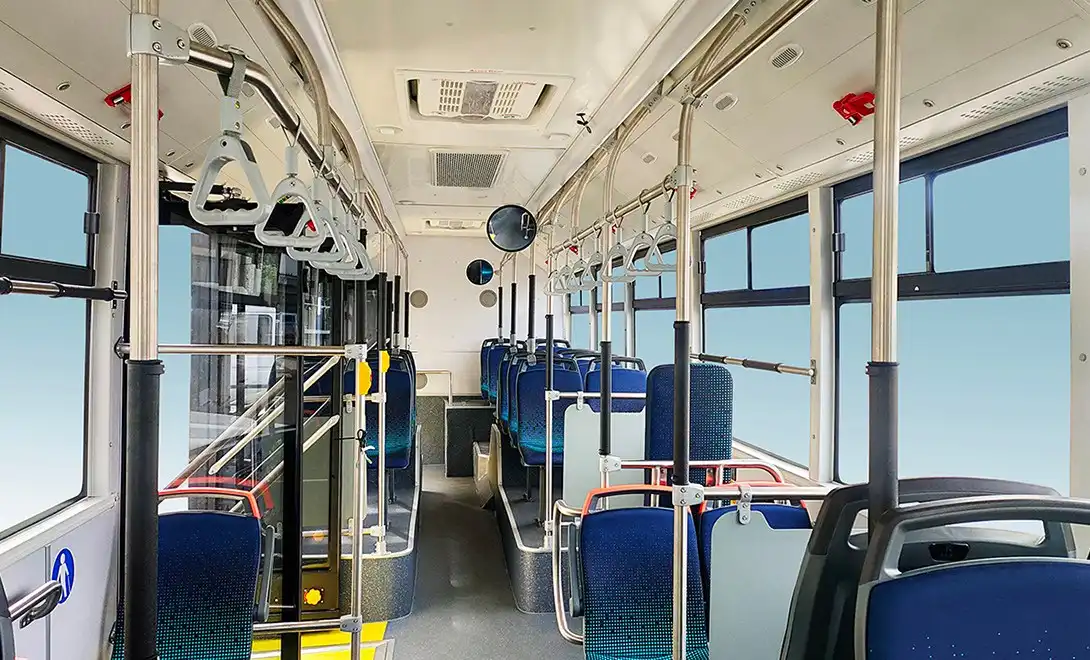
When comparing electric buses to diesel and hybrid options, the 12m Electric city bus shows big practical and environmental benefits that make the higher initial investment costs worth it for fleet owners who are looking to the future.
Operating Cost Analysis and Financial Benefits
When compared to diesel buses, electric buses have big running cost advantages. The main financial gain is saving money on fuel. Electricity costs about $0.10 to $0.20 per similar diesel gallon, while diesel fuel costs $3.00 to $4.00 per gallon. This means that businesses can start saving money right away.
Electric powertrains greatly reduce the amount of maintenance that needs to be done, as they don't need oil changes, gearbox service, or exhaust system maintenance. Compared to diesel buses, annual upkeep costs are often 40–60% lower, and brake wear is much lower thanks to regenerative braking devices. The simplified drivetrain design makes the mechanics simpler, which increases dependability and decreases downtime. Fleet managers say that electric buses are 15–25% more likely to be available than regular gas units.
Environmental Impact and Regulatory Compliance
Electric buses don't release any direct pollution while they're running, which helps clean up the air in cities. Getting rid of fuel fumes and nitrogen oxides is good for people's health right away, both inside and outside of vehicles.
Lifecycle emissions rely on how the energy grid is set up, but even in places where coal is used a lot for power production, electric buses usually produce 30 to 50 percent less total emissions than diesel buses. When areas use green energy sources, they cut emissions by more than 80%. One more big benefit is that electric buses are 10-15 decibels quieter than gasoline units when they're running. This trait is especially useful for paths through private areas early in the morning or late at night.
Leading Manufacturers and Technology Comparisons
Several well-known companies have been making electric buses for a long time and can meet a wide range of operating needs. Over 70,000 BYD electric buses are in use around the world, showing that their iron-phosphate battery technology is stable and that they offer a wide range of charge options.
Yutong offers advanced charge management systems and designs that can be changed to fit the needs of each route. Their buses have complex energy management systems built in that make the range work best in a variety of operating situations. European companies like Solaris focus on high-end comfort features and making their products work better in cold weather. Their buses have high-tech heat pump systems that keep passengers comfortable while using as little energy as possible in harsh conditions.
Practical Considerations for Procurement and Deployment
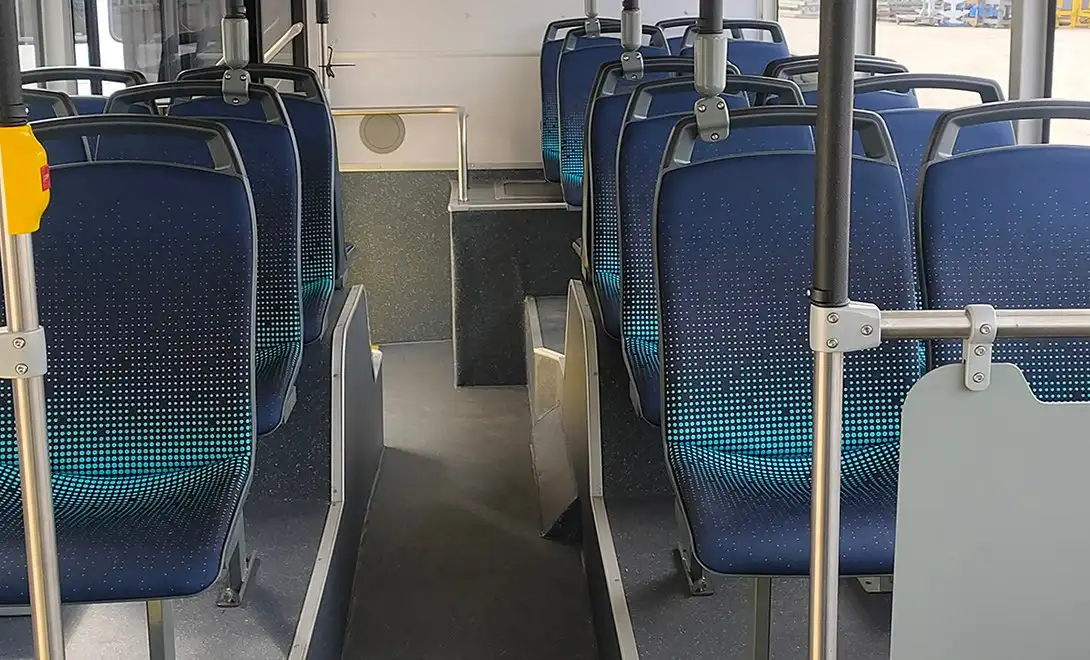
To buy an electric bus successfully, you need to carefully consider price structures, financing options, and governmental compliance requirements that are very different for each market and use case, especially when purchasing a 12m Electric city bus tailored to specific operational needs.
Pricing Models and Financial Structures
Prices for electric buses usually run from $400,000 to $700,000 per unit, but this depends on the specs, the amount of customization needed, and the number of orders. When you buy more than 20 to 50 units, you can get a volume discount. For big fleet deployments, you can save up to 10-15%. Leasing is an alternative way to get credit that lowers the amount of money you need up front and covers upkeep and warranties. Leasing programs for batteries remove the cost of storing energy from the cost of buying a vehicle. This lets you update your technology without having to buy a whole new vehicle.
When figuring out the total cost of ownership, you should include the cost of building charging infrastructure, which can range from $50,000 to $150,000 per station based on the power level and how hard the installation is.
Government Incentives and Support Programs
The cost of buying an electric bus in the United States is affected by federal and state reward programs in a big way. The Federal Transit Administration gives grants to transit companies that meet certain requirements. These grants cover up to 80% of the cost of vehicles. The EPA's Clean School Bus Program also gives large amounts of money for school transportation.
Different states have very different programs. For example, California's HVIP program gives extra refunds, while East Coast states offer tax credits and faster permit processing for building charging infrastructure. As part of utility partnerships, fleet charging applications often get special energy rates. This lowers running costs and helps keep the grid stable through managed charge programs.
Compliance and Documentation Requirements
To buy an electric bus, you need to provide a lot of paperwork that includes safety certifications, performance specs, and proof that the bus meets all the regulations. FTA Buy America rules say that purchases paid for by the federal government must have a certain amount of domestic material.
Quality management systems need to meet ISO 9001 and TS 16949 standards for the car industry. This makes sure that production processes are uniform and products are reliable. Battery systems need to be certified for UN 38.3 transportation and meet the practical safety standards for cars. Delivery times are usually 12 to 18 months after an order is confirmed, but this depends on how customized the product needs to be and how much can be made. Battery performance promises that last 8 to 12 years or a certain number of miles should be covered by the warranty.
Maximizing the Value of Your 12m Electric City Bus Investment
Long-term success with electric buses relies on using advanced fleet management technologies, managing the buses in a way that saves energy, and keeping repair costs as low as possible, all of which are critical for maintaining the efficiency of a 12m Electric city bus over time.
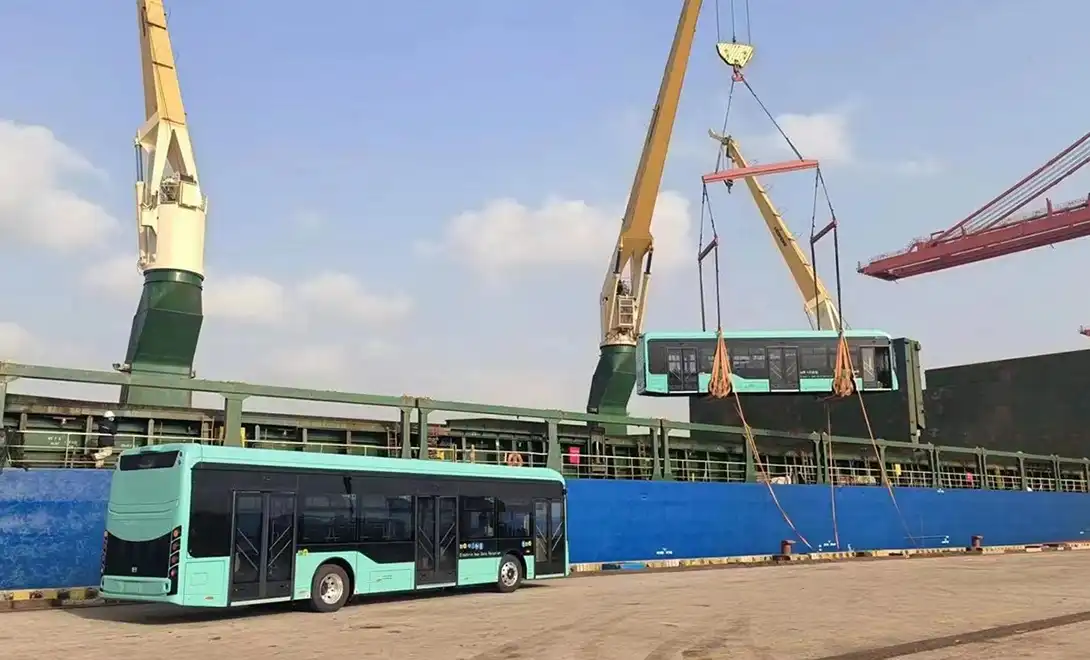
Operational Efficiency and Energy Management
Route planning is a key part of getting the most out of an electric bus's speed and range. By looking at changes in elevation, the number of stops, and the trends of passengers, you can find the best charging plans and battery sizes. Focusing on teaching drivers how to drive efficiently can boost range performance by 10 to 15 percent. Some of the techniques used are smooth acceleration, the best way to use regenerative brakes, and planning how to handle the climate control system during different seasons.
Charging plan optimization finds the best balance between practical needs, the way energy is priced, and how the grid's demand changes over time. Many companies charge their drivers overnight during off-peak hours, and if they need to, they also charge them during route breaks.
Fleet Management Technology Integration
Modern telematics systems let you check on the state of the batteries, see how much energy is being used, and get repair alerts before they get too old. These tools make it possible to plan maintenance ahead of time and find the best routes based on the current state of the vehicles. Monitoring charging infrastructure and car performance data can be combined in cloud-based fleet management systems. This lets centralized control centers keep an eye on the whole operation. The connection helps people make decisions about routes and resources based on data.
To get the most out of batteries, their performance and lives, management systems keep an eye on their temperatures, voltage levels, and charge trends all the time. Advanced formulas change the charging rates and depths of discharge to get the most life out of batteries while still meeting their working needs.
Environmental and Corporate Benefits
Using electric buses is a big part of meeting environmental reporting standards and meeting company sustainability goals. Quantifiable reductions in emissions back up promises to cut carbon emissions and improve an organization's image in the areas it serves. The change in technology shows leadership in caring for the world and could make employees happier and improve how the public sees the company. Many groups say that the community has responded positively and that the number of people using electric buses has grown.
Operational noise reduction makes the workplace better for drivers and repair workers and lowers the number of comments from the public about how transit works. Because it is quieter, the service hours can be extended in noise-sensitive places without breaking the law.
Conclusion
Switching to electric city buses is a smart investment in sustainable urban transport that helps both the environment and the businesses that run them. Modern electric buses, such as the 12m Electric city bus, have been shown to be reliable, have lower operating costs, and make passengers more comfortable while meeting stricter emission standards. To make rollout work, you need to carefully think about how much range you need, what kind of charging infrastructure you need, and the total cost of ownership, which includes more than just the buying price. With the right planning and help from the maker, electric buses are more cost-effective in the long run than gas buses, and they also help make cities cleaner and quieter.
FAQ
Q1: What is the typical charging time for electric city buses?
A: Charge times are very different depending on the size of the battery and the charge power. When charging overnight with 40–60 kW chargers, it usually takes 6–8 hours to fully charge from 20% to 100% capacity. Fast charging systems with 150–350 kW can reach 80% capacity in 30–45 minutes, which lets you charge during breaks in the road.
Q2: How do operational costs compare between electric and diesel buses?
A: When compared to gasoline buses, electric buses have 40–60% lower operating costs. The cost of electricity is usually between 25 and 35 percent of the cost of gasoline fuel, and the cost of upkeep goes down by about 50 percent because the drivetrains are simpler. Depending on the price of fuel and energy in your area, the saves from both upkeep and fuel often pay for themselves in 7 to 10 years.
Q3: Are bulk discounts available for large fleet orders?
A: When you buy more than 20 to 50 units, you can get a volume rate. For big deployments, you could save up to 10-15%. Standards-based standards, consolidated shipping schedules, and full insurance packages that lower long-term operating risks add more value.
Q4: What government subsidies support electric bus adoption?
A: Buying an electric bus is made possible by a number of federal and state programs. Transit companies that qualify can get funds from the FTA that cover up to 80% of the cost of vehicles. The EPA's Clean School Bus Program also gives a lot of money to school transportation. There are big differences between state programs, and some offer extra tax credits and refunds.
Q5: How reliable are electric bus battery systems?
A: Modern lithium battery systems are very reliable, and their contracts usually cover 8 to 12 years or 300,000 to 500,000 kilometers. Monitoring performance and adjusting charging patterns all the time is what battery management systems do to make batteries last as long as possible. Most makers promise that the battery will keep 80% of its power during the warranty time.
Partner with JCM for Your Electric Bus Solutions
JCM is ready to help you make the switch to environmentally friendly urban transportation by providing complete 12m Electric city bus solutions that are tailored to your unique operating needs. With our experience making customized cars, well-established research and development facilities, and global supply chain skills, we can reliably deliver high-quality electric buses that meet strict performance standards. As a reliable 12m Electric city bus manufacturer, we offer full support, from the initial design advice to setting up the production line and providing ongoing technical help. Email our knowledgeable staff at info@jcm-star.com to talk about your needs for electrifying your fleet and find out how our unified approach to car development and production can help you get the most out of your clean transportation technology investment.
References
1. International Association of Public Transport. "Electric Bus Technology Assessment and Implementation Guidelines." Public Transport Research Journal, 2023.
2. American Public Transportation Association. "Electric Bus Procurement and Operational Best Practices for Transit Agencies." Transit Technology Report, 2023.
3. National Renewable Energy Laboratory. "Total Cost of Ownership Analysis for Electric Transit Buses." Department of Energy Transportation Research, 2022.
4. Electric Drive Transportation Association. "Electric Bus Market Analysis and Growth Projections." Sustainable Transportation Quarterly, 2023.
5. Federal Transit Administration. "Electric Bus Testing and Validation: Performance Standards and Certification Requirements." Department of Transportation Guidelines, 2023.
6. Clean Energy Ministerial. "Global Electric Bus Deployment and Infrastructure Development Strategies." International Energy Policy Review, 2022.

Based on your vehicle requirements, we will quickly match the most suitable specifications and provide a competitive quote.
_1755581003287.webp)
Global Customized

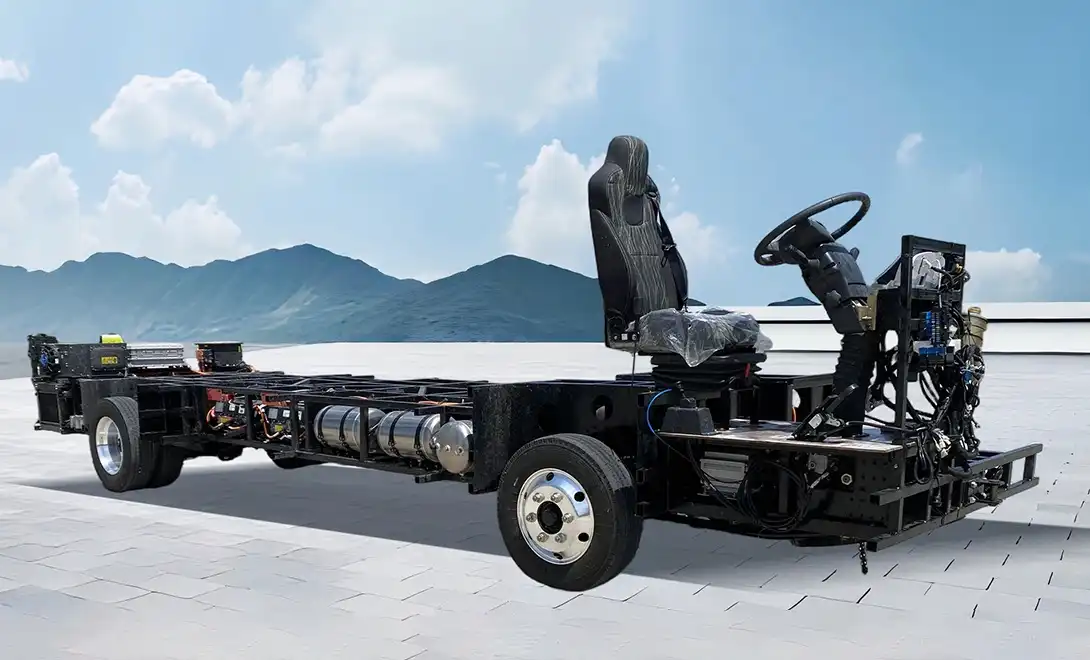
_1756108840480.webp)
_1755854765757.webp)