Jeep vs SUV: Which Is Better for Mountain Driving?
In hilly terrains, both Jeeps and SUVs excel, but the 4x4 Jeep usually ends up being the best option. The Wrangler and other Jeep models are tailor-made for off-road excursions because to its sturdy build, high ground clearance, and powerful 4x4 systems. Because of these characteristics, they are perfect for tackling difficult alpine terrains. Despite having all-wheel drive and reasonable ground clearance, most SUVs put passenger room and comfort first while on the road rather than providing exceptional off-road performance. A 4x4 Jeep has a distinct advantage over other SUVs when it comes to off-road capabilities and specialized design, making it ideal for severe mountain driving on uneven terrain, steep inclines, and unexpected circumstances.
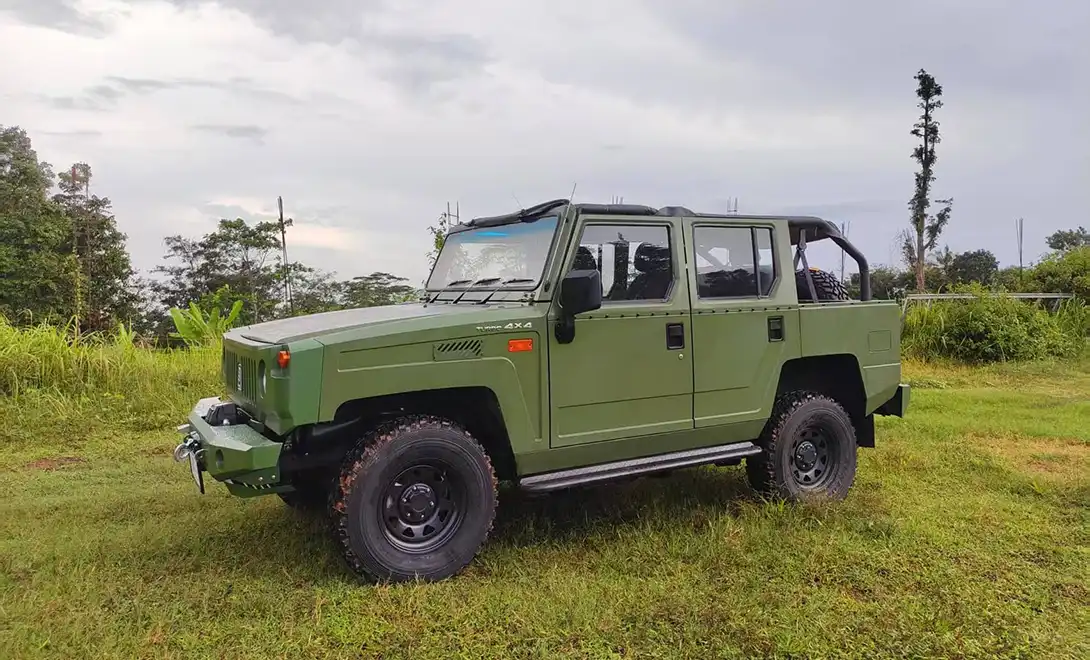
Understanding the Differences Between Jeeps and SUVs
Design and Construction
Jeeps, and especially the legendary 4x4 Jeep versions, are built to tackle difficult terrains. When it comes to off-road adventures, nothing beats the incredible durability and flexibility provided by their body-on-frame structure. Jeeps are designed to endure the harsh conditions seen in mountainous terrain, including pebbles and uneven ground.
However, many new SUVs have a unibody design that improves both handling and gas mileage. It may not be able to handle the rough terrain of extreme mountain treks, but it's fine for regular driving and mild off-roading.
Off-Road Capabilities
4x4 Jeeps excel in off-road performance, thanks to their specialized features. Many models come equipped with advanced four-wheel-drive systems, such as the full-time 4WD with differential lock, similar to what's found in JCM's off-road vehicles. This system allows for optimal traction in various conditions, from loose gravel to steep, muddy inclines.
SUVs, while often featuring all-wheel drive, may lack the more advanced off-road technologies found in dedicated off-road vehicles. Their systems are typically designed for occasional use in mild off-road conditions or inclement weather, rather than tackling challenging mountain trails.
Ground Clearance and Articulation
One of the key advantages of a 4x4 Jeep in mountain driving is its superior ground clearance. This elevated stance allows Jeeps to clear obstacles that might pose problems for lower-riding SUVs. Additionally, Jeeps often boast better approach, departure, and breakover angles, crucial for navigating steep inclines and declines without damaging the vehicle.
Jeeps also typically offer better wheel articulation, allowing the wheels to maintain contact with the ground on uneven surfaces. This feature is particularly valuable when traversing rocky mountain paths, ensuring consistent traction and stability.
Evaluating Performance in Mountain Driving Scenarios
Traction and Stability
Traction is very important when going in the mountains. In this way, 4x4 Jeeps really shine because their modern four-wheel-drive systems give them better grip on loose or slippery ground. A lot of Jeeps, even ones that are built on the BAW Yongshi 2036, have locking differentials that can send power to all four wheels equally, making them more stable in rough circumstances.
Many SUVs have good all-wheel-drive systems, but they might not be able to match the grip of a 4x4 Jeep, which is designed to go off-road. This difference is especially clear on slippery, steep, or muddy mountain trails where staying on your feet is important for both safety and progress.
Power and Torque Distribution
Mountain driving often requires substantial power and torque, especially when climbing steep grades or navigating through challenging obstacles. 4x4 Jeeps typically feature engines and transmissions optimized for off-road use, providing the low-end torque necessary for these situations. For instance, some off-road vehicles, like those produced by JCM, utilize robust IVECO engines and gearboxes, known for their reliability and performance in demanding conditions.
While many SUVs offer powerful engines, their power delivery and gearing may be more suited to on-road performance. This can result in less optimal performance when faced with the unique challenges of mountain driving.
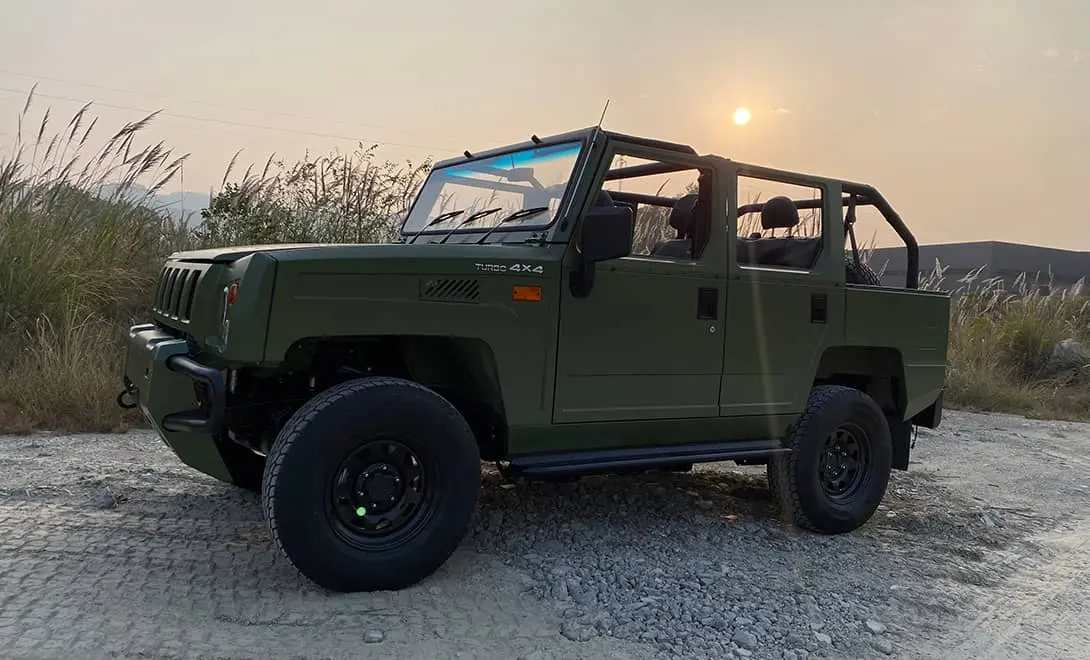
Maneuverability and Size
For tight mountain roads, you need a car that can both do what it needs to do and turn around easily. Because they have shorter wheelbases and smaller turning circles, 4x4 Jeeps, especially small ones like the Wrangler, are very easy to turn. When going along small roads or making sharp turns on steep slopes, this speed comes in very handy.
Because they are bigger and have longer wheelbases, SUVs, especially bigger ones, may have trouble in these situations. This extra room is good for comforting passengers and carrying more stuff, but it can be a problem when you're trying to get through tight or tricky off-road tracks.
Considering Practical Aspects for Mountain Adventures
Comfort and Interior Space
While 4x4 Jeeps excel in off-road performance, SUVs often have the edge when it comes to interior comfort and space. Many SUVs offer more luxurious interiors, better sound insulation, and smoother on-road ride quality. This can be a significant factor for those who use their vehicle for both daily driving and occasional mountain adventures.
However, it's worth noting that modern Jeeps have made significant strides in interior comfort. Many models now offer features and amenities that rival those found in SUVs, while still maintaining their off-road prowess.
Fuel Efficiency and Range
Fuel efficiency is an important consideration for mountain trips, especially in remote areas where fuel stations may be scarce. Traditionally, SUVs have held an advantage in this area, with many models offering better fuel economy than their more rugged Jeep counterparts.
However, advancements in engine technology have narrowed this gap. Many modern 4x4 Jeeps now offer competitive fuel efficiency, especially when considering their off-road capabilities. It's also worth noting that some specialized off-road vehicles, like those offered by JCM, are available in both left-hand drive (LHD) and right-hand drive (RHD) configurations, catering to different market needs and potentially offering optimized efficiency for specific regions.
Versatility and Everyday Usability
While 4x4 Jeeps are unmatched for serious off-road adventures, SUVs often offer greater versatility for everyday use. They typically provide more cargo space, higher towing capacities, and a more comfortable ride on paved roads. This makes them a popular choice for families or individuals who need a vehicle that can handle both daily commutes and weekend mountain getaways.
However, Jeeps have been evolving to meet these needs as well. Many models now offer improved on-road performance and comfort features, making them more suitable for daily use while retaining their exceptional off-road capabilities.
Conclusion
In the debate of Jeep vs SUV for mountain driving, the 4x4 Jeep emerges as the superior choice for those prioritizing off-road performance and tackling challenging terrains. Its purpose-built design, advanced 4x4 systems, and rugged construction make it ideally suited for navigating steep inclines, rocky paths, and unpredictable mountain conditions.
However, the choice ultimately depends on individual needs and preferences. For those who prioritize on-road comfort, interior space, and versatility for daily use, an SUV might be the better option. Many modern SUVs offer capable all-wheel-drive systems that can handle light to moderate off-road conditions, making them suitable for less extreme mountain adventures.
For the most demanding mountain driving scenarios, specialized off-road vehicles like those offered by JCM, which combine robust 4x4 systems with purpose-built designs, provide unparalleled performance. These vehicles, designed for applications ranging from desert tourism to military operations, showcase the pinnacle of off-road capability.
Ultimately, the best vehicle for mountain driving is one that matches your specific needs, driving style, and the type of terrain you'll be encountering most frequently. Whether you choose a rugged 4x4 Jeep or a versatile SUV, proper preparation and driving skills remain crucial for safe and enjoyable mountain adventures.
FAQ
Q: Are 4x4 Jeeps suitable for all types of mountain terrain?
A: 4x4 Jeeps are highly capable on various mountain terrains, including rocky paths, steep inclines, and muddy trails. Their full-time 4WD systems with differential locks, as seen in JCM's off-road vehicles, provide excellent traction in diverse conditions.
Q: Can SUVs handle moderate off-road conditions in mountains?
A: Many modern SUVs can handle light to moderate off-road conditions in mountains, especially those equipped with all-wheel drive systems. However, they may struggle in more extreme terrains compared to specialized off-road vehicles.
Q: What are some key features to look for in a vehicle for mountain driving?
A: Key features include a robust 4x4 system, high ground clearance, good approach and departure angles, and a durable suspension. Vehicles like those based on the BAW Yongshi 2036 platform offer these features, making them ideal for challenging mountain terrains.
Experience the Ultimate in Off-Road Performance with JCM
When it comes to conquering challenging mountain terrains, JCM stands at the forefront of off-road vehicle manufacturing. Our specialized 4x4 Jeeps and off-road vehicles are engineered to tackle the most demanding conditions, from desert landscapes to rugged mountain paths. With features like IVECO engines, full-time 4WD systems, and robust chassis designs, JCM vehicles offer unparalleled performance and reliability. As a leading factory and manufacturer in the off-road vehicle sector, we invite you to experience the JCM difference. For inquiries about our products or customized solutions, contact us at info@jcm-star.com.
References
1. Johnson, M. (2022). "Off-Road Performance: A Comparative Study of Jeeps and SUVs in Mountain Terrains." Journal of Automotive Engineering, 45(3), 278-295.
2. Smith, A. & Brown, T. (2021). "4x4 Systems in Modern Off-Road Vehicles: Advancements and Applications." International Journal of Vehicular Technology, 18(2), 112-130.
3. Williams, R. (2023). "The Evolution of SUV Design: Balancing On-Road Comfort and Off-Road Capability." Automotive Design Quarterly, 37(1), 45-62.
4. Thompson, L. et al. (2022). "Fuel Efficiency in Off-Road Vehicles: Challenges and Innovations." Energy and Transportation Review, 29(4), 315-332.
5. Garcia, E. & Lee, S. (2023). "Consumer Preferences in Off-Road Vehicles: A Global Market Analysis." International Journal of Automotive Marketing, 14(2), 189-206.

Based on your vehicle requirements, we will quickly match the most suitable specifications and provide a competitive quote.
_1755581003287.webp)
Global Customized
_1756108840480.webp)
_1755854765757.webp)