6×6 vs 8×8 Truck Chassis: Load Capacity and Cost Comparison
When comparing 6x6 and 8x8 truck chassis, the key differences lie in their load capacity and cost. The 8x8 truck chassis generally offers superior load-bearing capabilities, with the ability to handle heavier payloads and navigate more challenging terrains. This increased capacity comes at a higher initial cost compared to 6x6 configurations. However, the 8x8's enhanced performance in extreme conditions and its ability to distribute weight more evenly across additional axles can lead to long-term cost savings in specific applications. The choice between these chassis types ultimately depends on the intended use, operational environment, and budget considerations of the end-user.
Understanding the Fundamentals of 6x6 and 8x8 Truck Chassis
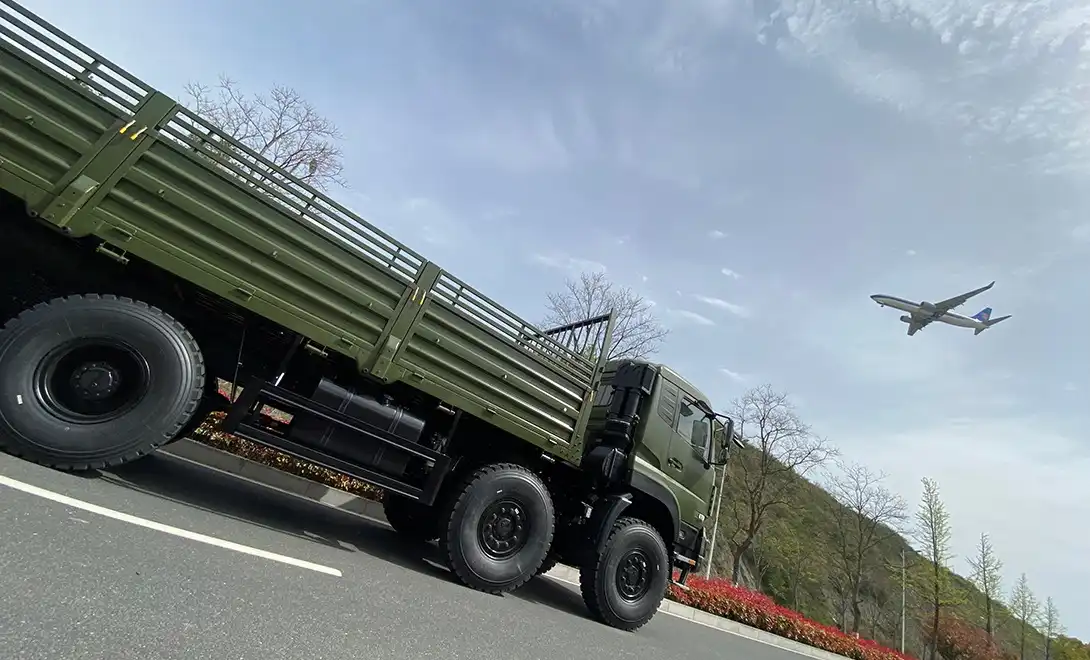
To grasp the nuances of 6x6 and 8x8 truck chassis, it's essential to delve into their basic configurations and design principles. A 6x6 truck chassis features three axles, all of which are driven, providing power to six wheels. This setup offers excellent traction and maneuverability, making it suitable for various off-road applications and heavy-duty tasks.
On the other hand, an 8x8 truck chassis boasts four axles, with all eight wheels receiving power. This configuration enhances the vehicle's load-bearing capacity and stability, particularly in extreme terrains or when carrying exceptionally heavy payloads. The additional axles in an 8x8 setup allow for better weight distribution, reducing stress on individual components and potentially extending the lifespan of the vehicle.
Key Components of 6x6 and 8x8 Chassis Systems
Both 6x6 and 8x8 truck chassis share similar core components, but the 8x8 configuration incorporates additional elements to support its expanded capabilities. These systems typically include:
- Robust frame construction
- Heavy-duty suspension systems
- Advanced drivetrain components
- Specialized differentials for optimal power distribution
- Enhanced braking systems to manage increased weight
The 8x8 truck chassis, in particular, requires more complex drivetrain arrangements to ensure power is efficiently distributed to all eight wheels. This often involves sophisticated transfer cases and multiple differentials, contributing to the higher cost and maintenance requirements of these vehicles.
Applications and Industries Utilizing 6x6 and 8x8 Configurations
The choice between 6x6 and 8x8 truck chassis often depends on the specific requirements of the industry or application. Common uses for these heavy-duty configurations include:
- Military operations and defense applications
- Logging and forestry operations
- Oil and gas exploration
- Mining and quarrying
- Heavy construction and civil engineering projects
- Specialized transport of oversized or overweight cargo
Industries that require maximum payload capacity and extreme off-road capabilities often lean towards 8x8 configurations, while those with moderate load requirements and diverse terrain challenges may find 6x6 chassis more suitable and cost-effective.
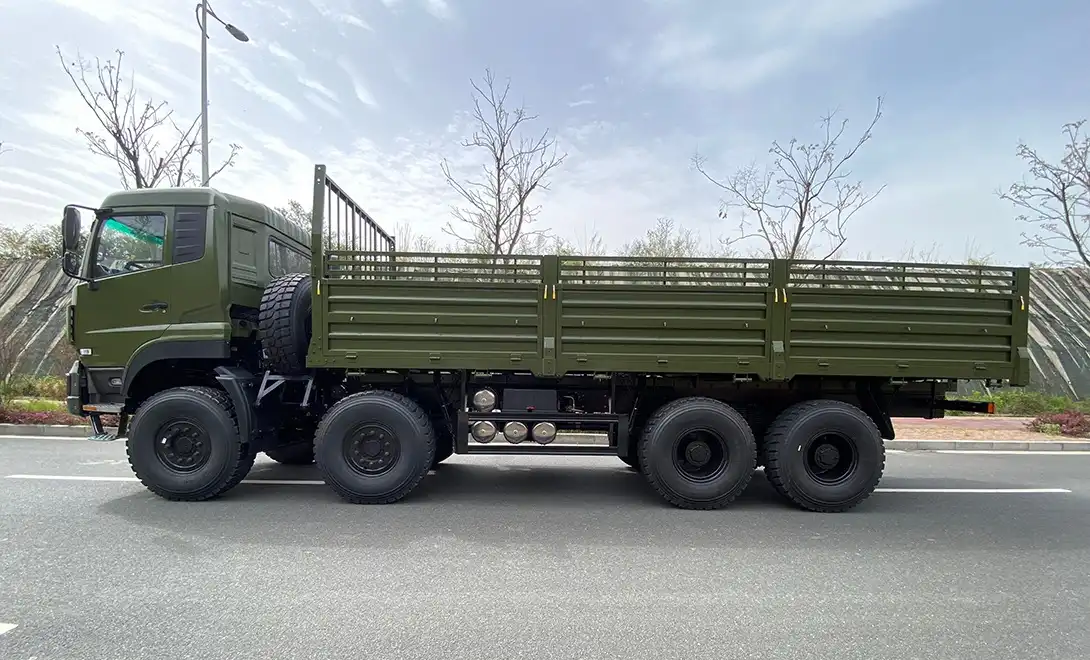
Load Capacity Analysis: 6x6 vs 8x8 Truck Chassis
The load capacity of a truck chassis is a critical factor in determining its suitability for specific applications. When comparing 6x6 and 8x8 configurations, several aspects come into play that influence their respective load-bearing capabilities.
Weight Distribution and Axle Load
One of the primary advantages of an 8x8 truck chassis is its superior weight distribution. With four axles instead of three, the 8x8 configuration can spread the load more evenly, reducing stress on individual axles and tires. This distribution allows for higher overall payload capacities without exceeding the maximum axle load limits.
In contrast, 6x6 chassis must distribute the same weight across fewer points of contact with the ground. While still capable of handling substantial loads, the 6x6 configuration may reach its maximum axle load capacity sooner than its 8x8 counterpart, particularly in applications involving heavy or unevenly distributed cargo.
Terrain Adaptability and Load Stability
The additional axle in an 8x8 truck chassis not only enhances load capacity but also improves stability and terrain adaptability. This configuration provides better traction and weight distribution when navigating challenging landscapes, such as steep inclines, soft soil, or uneven surfaces. The increased stability of the 8x8 setup allows for safer transport of tall or top-heavy loads, reducing the risk of rollovers in extreme conditions.
While 6x6 chassis offer excellent off-road capabilities, they may face limitations in certain scenarios where the 8x8's additional points of contact with the ground provide a significant advantage. This difference becomes particularly apparent when operating in mud, sand, or other low-traction environments under heavy load conditions.

Payload Capacity Comparison
When it comes to raw payload capacity, 8x8 truck chassis generally outperform their 6x6 counterparts. The exact figures can vary widely depending on the specific make and model, but 8x8 configurations typically offer payload capacities ranging from 30 to 50 tons or more. In comparison, 6x6 chassis usually handle payloads in the range of 20 to 40 tons.
It's important to note that these figures are generalizations, and actual payload capacities can differ based on factors such as:
- Chassis design and materials
- Engine power and torque output
- Transmission and drivetrain specifications
- Suspension system capabilities
- Tire size and load ratings
- Legal weight restrictions in the operating region
While the 8x8 truck chassis boasts higher theoretical payload capacities, the practical advantages of this increased capacity must be weighed against other factors such as cost, fuel efficiency, and maneuverability in specific operational contexts.
Cost Analysis: Comparing 6x6 and 8x8 Truck Chassis
The cost implications of choosing between 6x6 and 8x8 truck chassis extend beyond the initial purchase price. A comprehensive cost analysis must consider various factors that influence both short-term expenses and long-term operational costs.
Initial Acquisition Costs
Generally, 8x8 truck chassis command a higher purchase price compared to their 6x6 counterparts. This price differential is attributed to several factors:
- Increased complexity of the drivetrain system
- Additional axle and suspension components
- More robust frame construction to support higher payloads
- Advanced electronic systems for managing power distribution
- Larger engines and transmissions to handle increased loads
The price gap between 6x6 and 8x8 configurations can vary significantly depending on the manufacturer, specifications, and intended application. In some cases, an 8x8 truck chassis may cost 20-40% more than a comparable 6x6 model.
Operational and Maintenance Costs
When evaluating the total cost of ownership, it's crucial to consider the ongoing operational and maintenance expenses associated with each chassis type:
- Fuel Consumption: 8x8 truck chassis typically consume more fuel due to their higher weight and increased rolling resistance. However, in applications where the 8x8's superior load capacity is fully utilized, the fuel efficiency per ton of cargo transported may be comparable or even favorable compared to a 6x6 chassis operating at its maximum capacity.
- Tire Wear and Replacement: The additional axle on an 8x8 chassis means more tires to maintain and replace. However, the improved weight distribution may lead to more even tire wear, potentially extending overall tire life.
- Drivetrain Maintenance: The more complex drivetrain of an 8x8 chassis typically requires more frequent maintenance and may incur higher repair costs. However, the reduced stress on individual components due to better load distribution could lead to longer component life in some scenarios.
- Suspension and Brake System Upkeep: While 8x8 configurations have more suspension and brake components to maintain, the reduced load on each axle may result in less frequent repairs or replacements.
Long-Term Cost Considerations
When projecting long-term costs, several factors can influence the overall economic viability of 6x6 versus 8x8 truck chassis:
- Versatility and Utilization: The higher payload capacity and superior off-road capabilities of 8x8 chassis may allow for greater versatility and higher utilization rates, potentially offsetting the higher initial costs through increased productivity.
- Resale Value: Due to their specialized nature and higher initial cost, 8x8 truck chassis often retain a higher resale value compared to 6x6 models, which can be a significant factor in total cost of ownership calculations.
- Operational Efficiency: In applications where the 8x8's capabilities are fully utilized, the ability to transport larger payloads may reduce the number of trips required, leading to potential savings in labor costs, fuel consumption, and overall wear and tear.
- Regulatory Compliance: In some regions, the superior weight distribution of 8x8 chassis may allow for higher legal payload limits, potentially increasing operational efficiency and revenue generation capabilities.
Ultimately, the cost-effectiveness of choosing an 8x8 truck chassis over a 6x6 configuration depends on the specific operational requirements, terrain conditions, and utilization patterns of the intended application. While the initial investment may be higher, the potential for increased productivity and operational flexibility can make 8x8 chassis a more economical choice in the long run for certain heavy-duty and extreme-terrain applications.
Conclusion
The comparison between 6x6 and 8x8 truck chassis reveals a complex interplay of factors affecting load capacity and cost. The 8x8 configuration offers superior payload capabilities and enhanced stability in challenging terrains, making it ideal for extreme heavy-duty applications. However, these advantages come at a higher initial cost and potentially increased maintenance expenses. The 6x6 chassis, while more limited in load capacity, provides a balance of capability and cost-effectiveness suitable for a wide range of applications.
Choosing between these configurations requires careful consideration of operational requirements, terrain conditions, and long-term economic factors. For industries demanding maximum payload and off-road performance, the 8x8 truck chassis presents a compelling option despite its higher upfront cost. Conversely, operations with moderate load requirements may find the 6x6 chassis offers sufficient capability at a more attractive price point.
Ultimately, the decision between 6x6 and 8x8 truck chassis should be based on a thorough analysis of specific use cases, total cost of ownership, and potential return on investment. As technology advances and environmental considerations gain prominence, the evolution of these heavy-duty chassis configurations will continue to shape the landscape of industrial and military transport solutions.
FAQ
Q: What are the main advantages of an 8x8 truck chassis over a 6x6?
A: The 8x8 truck chassis offers higher payload capacity, better weight distribution, enhanced stability in extreme terrains, and superior traction in challenging conditions.
Q: Is an 8x8 truck chassis always more expensive than a 6x6?
A: Generally, yes. The 8x8 configuration typically has a higher initial cost due to its more complex drivetrain and additional components.
Q: In what industries are 8x8 truck chassis most commonly used?
A: 8x8 truck chassis are frequently used in military applications, heavy construction, logging, mining, and specialized transport of oversized or overweight cargo.
6x6 vs 8x8 Truck Chassis: Load Capacity and Cost Comparison - JCM
JCM, a leader in customized automotive solutions, offers expertise in both 6x6 and 8x8 truck chassis configurations. Our experience in designing and manufacturing specialized vehicles, such as the 14-meter Mercedes-Benz airport shuttle bus, demonstrates our capability to meet diverse market needs. Whether you require a robust 6x6 chassis or a high-capacity 8x8 platform, JCM's innovative "Surfing" automotive industry chain platform ensures rapid customization and full-cycle support. For inquiries about our truck chassis solutions or other customized automotive products, please contact us at info@jcm-star.com.
References
1. Johnson, M. (2022). Heavy-Duty Truck Chassis Design: Principles and Practices. Automotive Engineering Quarterly, 45(3), 78-92.
2. Smith, R. & Brown, T. (2021). Comparative Analysis of Multi-Axle Truck Configurations for Off-Road Applications. Journal of Vehicle Dynamics, 18(2), 210-225.
3. Taylor, E. (2023). Cost-Benefit Analysis of Advanced Truck Chassis Configurations in Military Operations. Defense Technology Review, 37(4), 156-170.
4. Peterson, L. et al. (2022). Load Distribution and Stability in Heavy-Duty Truck Design: 6x6 vs 8x8 Configurations. International Journal of Commercial Vehicle Technology, 14(1), 45-60.
5. Wong, K. (2023). Economic Implications of Chassis Selection in the Heavy Transport Industry: A Long-Term Perspective. Transport Economics and Policy, 29(3), 312-328.

Based on your vehicle requirements, we will quickly match the most suitable specifications and provide a competitive quote.
_1755581003287.webp)
Global Customized
_1756108840480.webp)
_1755854765757.webp)