Benefits of 33-Seat Electric Coach for Premium Services
The 33-Seat Electric Coach is a huge step forward in luxury transportation. It gives fleet owners the best mix of space, speed, and caring for the environment. These high-tech cars make journey more comfortable for passengers by running almost silently, putting out no pollution, and having high-tech amenities on board. Compared to traditional fuel options, electric cars have lower operating costs, which means they save a lot of money over time and meet stricter environmental rules around the world.
Understanding the Core Advantages of 33-Seat Electric Coaches
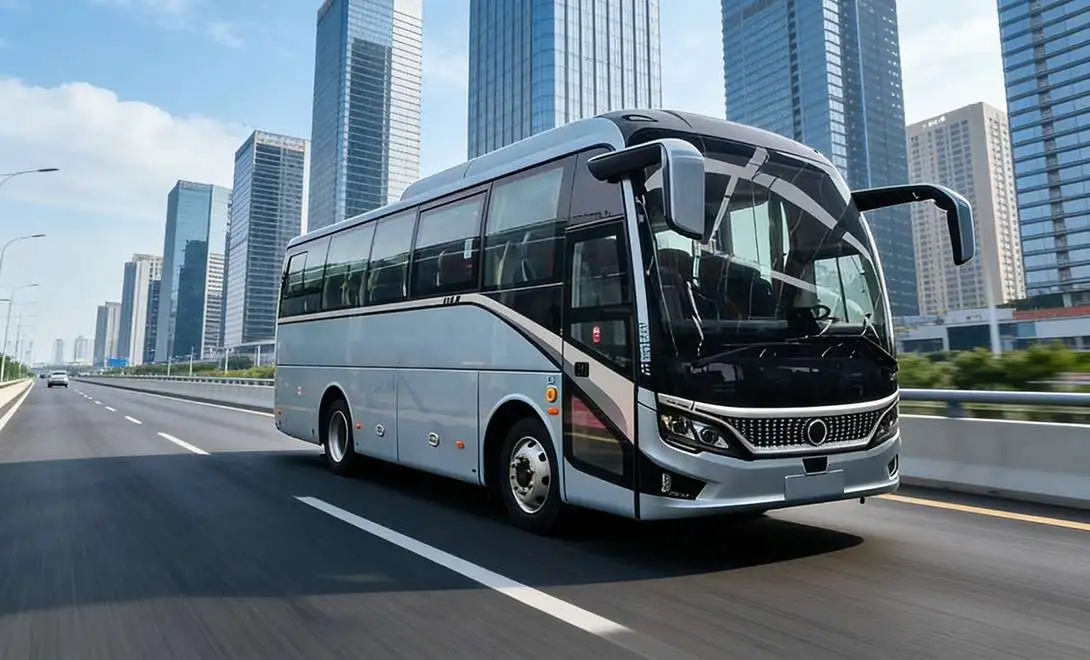
Today's transportation needs go beyond just getting people from one place to another. They also include caring for the environment, running a business efficiently, and providing excellent service. Electric coaches meet all of these different needs by integrating a lot of different technologies in a way that helps owners, customers, and communities.
Environmental Impact and Regulatory Compliance
Electric power systems don't release any pollution from the tailpipes, which helps clean up the air in cities and lower greenhouse gas emissions. This benefit for the climate is especially useful in cities that are putting in place low-emission zones and other programs to cut carbon emissions. Diesel particulate matter and nitrogen fumes are not present, which directly supports public health goals and makes sure that changing environmental standards in North American and European markets are met.
Cutting down on noise is another big environmental gain. Electric powertrains make very little noise, which lowers noise pollution in cities and allows service in places that can't handle noise, like home areas, hospitals, and schools. This operational flexibility opens up more routes and service hours than would normally be possible with diesel car limits.
Operational Efficiency and Cost Management
The mechanical systems in electric cars are simpler, so they are more efficient and require less upkeep. There aren't any complicated internal combustion engines, transmission systems, or exhaust after-treatment parts, so there is less downtime for planned repair. Fleet managers say that repair costs are up to 40% lower than with diesel vehicles, and that longer service times help make vehicles more available.
The cost of energy is another strong benefit. Diesel fuel markets are less stable and reliable than electricity prices, which makes it easier to make correct long-term budget projections. Off-peak charging methods save even more on energy costs, and smart charging systems schedule power use for times when prices are low. These practical improvements have a direct effect on profits and help businesses be more environmentally friendly.
Enhanced Passenger Experience
The 33-Seat Electric Coach provides the most comfortable ride for passengers thanks to its vibration-free operation and temperature control systems that are specifically designed to work with electric power. When you combine advanced suspension systems with precise electric motor power delivery, you get smooth acceleration and braking profiles that keep passengers from getting tired on long trips.
The amenities inside benefit from specialized electricity capacity that isn't needed for the engine to run. High-capacity charging ports, high-end lighting systems, and better HVAC performance create settings that are fit for royalty and set premium service options apart. These improvements to comfort are directly linked to higher levels of customer happiness and company loyalty.
Technical Specifications and Performance Insights of 33-Seat Electric Coaches
By understanding the technical basis of electric coach systems, you can make smart choices about what to buy that are in line with your unique operational needs. Electric coaches today use advanced engine technologies, energy management systems, and passenger accommodations that are made for business service needs.
Powertrain Architecture and Performance
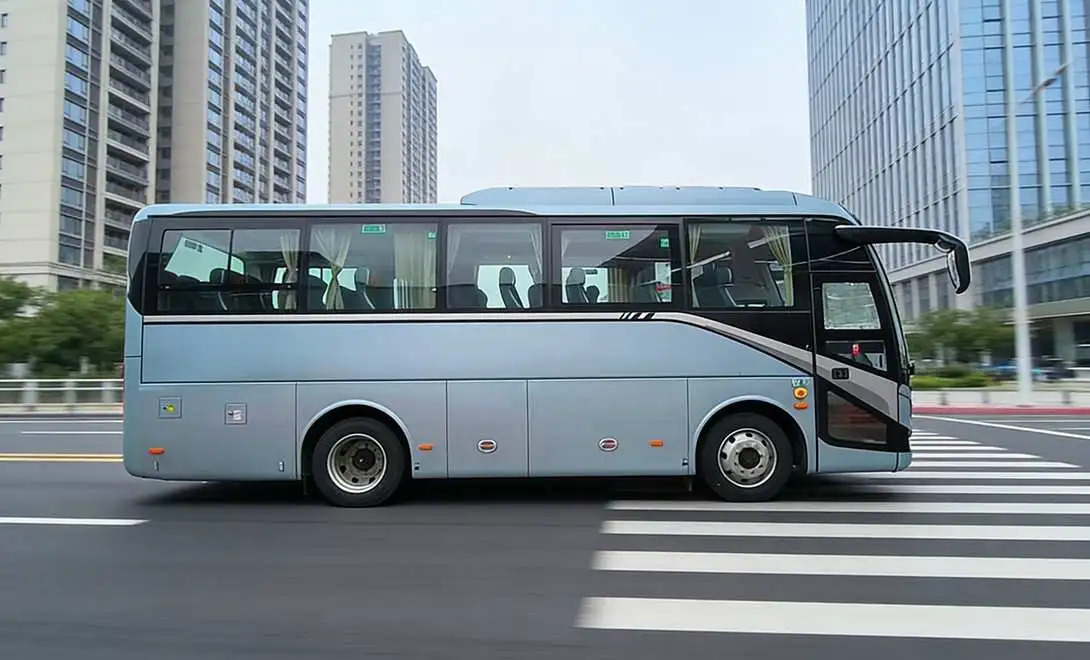
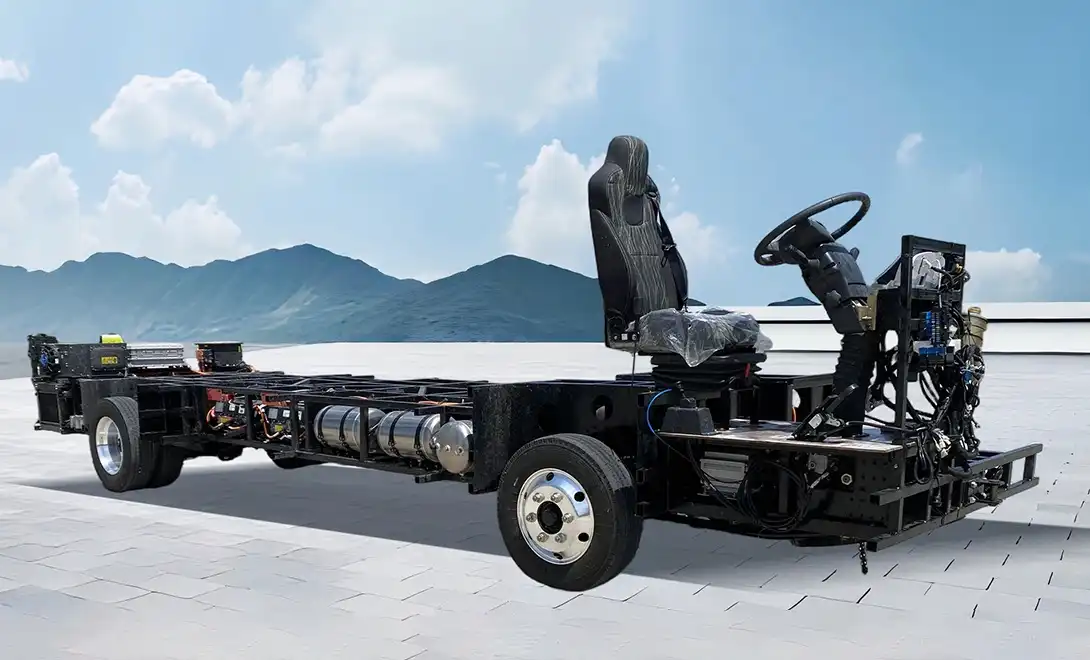
Modern electric coaches use permanent magnet synchronous motors that are very efficient and give constant power over a wide speed range. Most setups have motor systems that are 200 to 300 kW, which is enough power for highway use while still being energy efficient. Regenerative braking systems use smart energy recovery to store kinetic energy as the vehicle slows down. This increases the operating range and lowers brake wear.
Battery systems use lithium iron phosphate chemistry that is best for industrial car use. They can hold 300 to 400 kWh of power, and thermal management systems make sure they work the same way in all kinds of situations. Advanced battery management systems keep an eye on the performance of each cell, figuring out the best number of charge cycles and upkeep needs to make the system last as long as possible.
Range Performance and Charging Infrastructure
Under normal service conditions, the operational range is usually between 200 and 300 kilometers per charge, which is enough for most urban and regional route patterns. Range optimization relies on a number of things, such as the number of passengers, the type of terrain, how often the temperature control is used, and how the vehicle is driven. Route analysis tools make it possible to accurately predict ranges, which helps with service planning and disaster plans.
DC charge devices can restore 80% of a battery's capacity in 45 to 60 minutes, so it can be used again quickly after a service break. Depot charging infrastructure allows for overnight recharging using cheaper grid power, and charging at terminals when it's convenient lets them stay open longer without affecting schedules.
Maintenance Considerations and Lifecycle Management
Regular upkeep on electric powertrains is much less extensive than on diesel powertrains, with service times that are longer than usual. After 8 to 10 years of business use, battery systems usually keep 80% of their original capacity. Replacement plans are part of the total cost of ownership estimates. Predictive repair systems keep an eye on how well each part is working so that they can fix problems before they happen.
Software updates sent from afar improve the performance of vehicles and add new features throughout their working lifetime. This increases the value of assets and the return on investment. With these technology features, electric coaches can stay competitive over longer service times while still performing at their best.
Comparison of 33-Seat Electric Coaches vs Traditional and Alternative Models
Before making a choice about what to buy for a fleet, all of the options must be carefully considered. This includes looking at the performance, prices, and service abilities of each type of vehicle. Electric coaches have clear benefits in a number of rating categories, and they are also getting better at some problems by using new technology.
Electric vs Diesel Performance Analysis
Electric coaches are better than diesel coaches when it comes to operating costs, effect on the environment, and customer comfort. Based on how they are used and how much energy costs, a total cost of ownership study shows that electric coaches will reach the same price level as gasoline models in three to five years. Less upkeep needs to be done and stable energy prices help keep running costs stable, which helps with accurate financial planning.
Performance features make electric powertrains better for cities, where stopping and starting more often makes the most of the benefits of regenerative braking. It can climb hills as well as or better than diesel engines, and the power transfer is easier, and there is less noise inside. Because of these organizational benefits, service quality is better and passengers are happier.
Capacity Configuration Comparisons
The 33-Seat Electric Coach is the perfect size between smaller vehicles with 25 to 29 seats and bigger coaches with 40 seats or more. It has the right number of seats, can be moved around easily, and doesn't need a lot of infrastructure. This design works well for high-end service situations where comfort is more important than maximum capacity. It allows for wider seats and more amenities on board without affecting how efficiently the business runs.
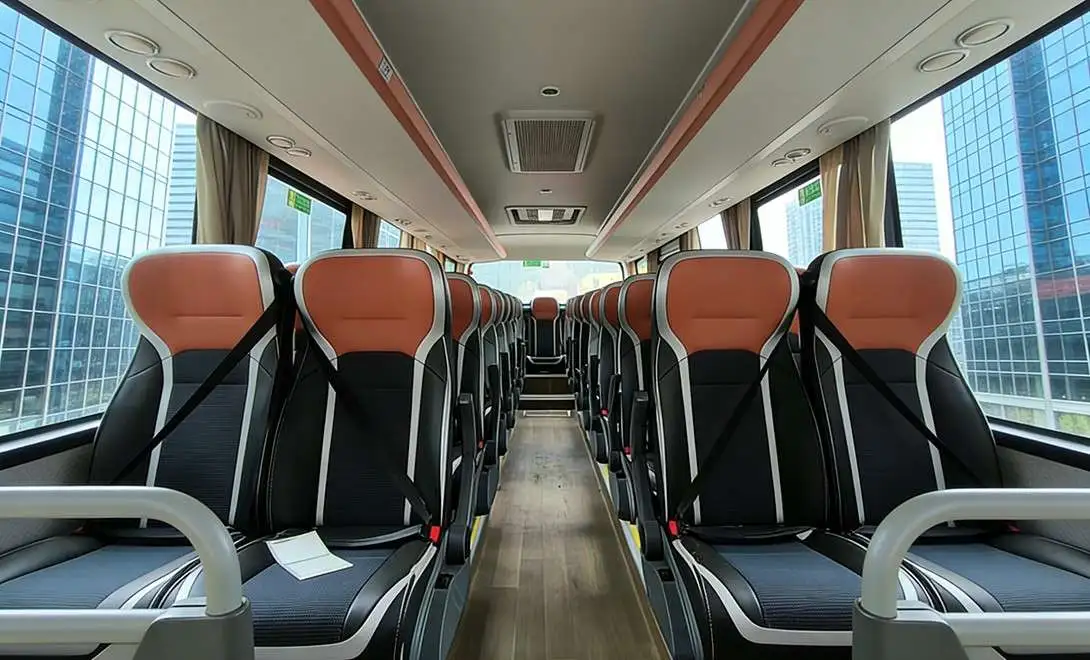
Smaller electric cars give you more route options, but they don't offer the same economies of scale. On the other hand, bigger models might be too heavy or need special charging stations. The 33-seat layout makes it operationally flexible enough to be used for a wide range of service purposes, from business shuttles to tourism operations.
Manufacturer Evaluation and Selection Criteria
Leading electric coach makers set themselves apart by coming up with new technologies, building high-quality coaches, and offering a wide range of support services. Vehicle dependability, charging system compatibility, guarantee coverage, and the availability of a local repair network should all be taken into account when judging. When a manufacturer lets fleet owners customize their vehicles, they can choose configurations that meet their unique service needs.
Support after the sale is very important for electric car usage, which means that technicians need to be trained in specific skills and parts need to be readily available. Manufacturers with well-established service networks and thorough training programs keep operating risks to a minimum and make sure that vehicles are always available throughout the service lifecycle.
Procurement Guide: How to Choose and Buy a 33-Seat Electric Coach?
To buy an electric coach successfully, you need to carefully look at the practical needs, technical requirements, and vendor skills. Structured buying processes make sure that the best vehicles are chosen while reducing the risks that come with implementing new technology and integrating operations.
Requirements Definition and Fleet Analysis
Planning for purchases starts with a full study of the routes and a list of the services that are needed. Decisions about what kind of car to buy are affected by things like daily mileage, passenger loads, weather, and the availability of charging facilities. Operational data from the past gives us a way to compare and validate the performance of electric coaches.
Strategies for replacing fleets should think about phased deployment methods that let operators gain experience while keeping service uninterrupted. Pilot projects with small numbers of vehicles let you test how they work before you commit to buying a lot of them. This lowers the risks of implementation and lets you improve the process.
Financial Planning and Acquisition Strategies
When buying an electric bus, the original capital costs are often higher, but the operating costs are lower over the life of the vehicle. Leasing deals may be a good option for businesses that want to control their running costs or don't have access to cash. Government benefits and handouts often encourage people to buy electric vehicles, which improves the economics of the project by lowering the cost of purchase.
A total cost of ownership study should look at all of an asset's lifetime costs, such as buying it, financing it, insuring it, maintaining it, using energy, and checking its residual value. Sensitivity analysis looks at different ways of using energy and estimates of how much it will cost. This helps with making good financial plans for different operating situations.
Vendor Selection and Contract Negotiations
When evaluating vendors, the ones with proven experience with business vehicles and a well-established support system should be given the most weight. Technical specs must match working needs and make sure they can work with charging infrastructure that is already in place or that is expected to be installed. The warranty should cover both the parts of the car and the battery's performance over long periods of time.
During contract talks, you should make sure that there are thorough training programs, promises that spare parts will be available, and pledges for service reaction times. These parts of the contract make sure that business merger goes smoothly and that there aren't too many risks of service interruptions during the phase of adopting new technology.

Future Outlook and Strategic Benefits for B2B Clients
Adopting electric coaches positions forward-thinking companies at the forefront of transportation innovation, delivering both immediate operational and strategic benefits. A 33-seat electric coach leverages ongoing technological advancements, offering improved efficiency, lower operating costs, and enhanced performance across diverse market segments over time.
Regulatory Environment and Market Trends
Through incentives, emission zone limits, and infrastructure spending, the government is making it easier for people to buy electric cars. These changes in regulations give early adopters of electric coaches a competitive edge while they could hurt owners who keep diesel cars. Mechanisms for selling carbon and fines for emissions make electric vehicles even more cost-effective.
The market for environmentally friendly transportation choices keeps growing, thanks to companies' efforts to be more environmentally friendly and changes in what people want. Companies that show they care about the environment by switching to electric fleets get better brand recognition and an edge over their competitors when it comes to buying services.
Technology Evolution and Performance Improvements
As battery technology improves, its energy efficiency keeps going up, costs go down, and its performance lasts longer. Autonomous driving features that are still being developed could make operations even more efficient by planning routes more efficiently and cutting down on labor costs. Integrating vehicles with power grids could lead to more income through energy storage services during times of high demand.
Standardization and growth of charging facilities lower range anxiety and make route planning more flexible. As wireless charging technology improves, it may become unnecessary to connect devices by hand. This would make running the store easier and make the system more reliable.
Strategic Business Benefits and ROI Optimization
The 33-Seat Electric Coach investment helps the company reach more than just its transportation goals. Environmental stewardship programs help companies meet their sustainability reporting standards and bring in people who care about the environment. Cutting down on operational costs makes services more profitable and lets businesses use competitive price strategies.
Using electric vehicles to set your brand apart from others gives you a marketing edge in service markets that are very competitive. Better service and showing care for the environment make customers more loyal, which leads to long-term business relationships and return service contracts.
Conclusion
Electric cars are a huge step forward in high-end transportation services. They are better for the environment, run more efficiently, and give passengers a better experience. The 33-Seat Electric Coach design is the best way to balance capacity and can be used for a wide range of service purposes, from corporate transportation to tourism activities. As technology gets better, the economy gets better, and regulations get easier to follow, it makes sense for forward-thinking fleet owners to adopt. Companies that use electric coach technology put themselves in a good position in the transportation market, which is always changing. They also get instant practical and strategic benefits that help them succeed in the long run.
FAQ
How long does it take to charge a 33-seat electric coach fully?
How long it takes to charge depends on the power source and the size of the battery. DC fast charging usually restores 80% of the battery's power in 45 to 60 minutes, while overnight AC charging restores the whole battery in 6 to 8 hours. Smart charging methods make the best use of power transfer to cut down on charging time and protect battery life.
What are the maintenance costs compared to diesel coaches?
Because their mechanical systems are simpler, electric cars usually need 40–60% less upkeep than diesel ones. Tires, brakes, and interior systems get the most attention during routine repair. Powertrain parts don't need much attention. The most important long-term upkeep task is replacing the battery, which should be done every 8 to 10 years of use.
What financing options are available for large fleet purchases?
Traditional loans, leases, and special plans for financing electric vehicles are all types of fleet procurement funding. Electric vehicles are often adopted with the help of government rebates and handouts, which lower the actual cost of buying one. Leasing choices let you spread out running costs while passing on the risk of technology obsolescence to finance partners.
How does cold weather affect electric coach performance?
When it's cold outside, the battery doesn't work as well and the car needs more heat, which usually cuts the operating range by 15 to 25 percent. While linked to the grid, pre-conditioning systems warm up the batteries and cabins, which has the least effect on the range. Advanced heat control systems keep the batteries at the right temperature while they're working, so they keep working even in harsh circumstances.
Partner with JCM for Your Electric Coach Procurement Needs
Through our extensive 33-Seat Electric Coach options and ability to customize, JCM is ready to assist you in making the switch to environmentally friendly transportation. As a reliable electric coach maker, we offer full support from the original meeting to ongoing service support, making sure that the modernization of your fleet goes smoothly. JCM is the best company to work with if you want to buy a high-end electric coach because we know a lot about electric vehicle technology, offer flexible funding options, and have service networks around the world. Get in touch with us at info@jcm-star.com to find out how our 33-seat electric coach for sale can change the way you run your transportation business and help you reach your environmental goals.
References
1. International Association of Public Transport. "Electric Bus Systems: Global Market Analysis and Performance Benchmarking." Public Transport Research Institute, 2023.
2. Chen, Michael et al. "Total Cost Ownership Analysis of Electric vs Diesel Public Transportation Vehicles." Journal of Sustainable Transportation Technology, Vol. 45, No. 3, 2023.
3. European Commission Directorate-General for Mobility and Transport. "Sustainable Urban Mobility: Electric Coach Adoption Strategies and Policy Framework." Publications Office of the European Union, 2023.
4. Rodriguez, Elena and Thompson, James. "Battery Technology Advancement in Commercial Electric Vehicles: Performance and Lifecycle Analysis." International Electric Vehicle Technology Review, 2023.
5. North American Transportation Research Board. "Electric Coach Infrastructure Requirements and Deployment Strategies for Premium Service Applications." Transportation Research Publication Series, 2023.
6. Wilson, Robert K. "Environmental Impact Assessment of Electric Coach Operations in Urban Transportation Systems." Environmental Transportation Studies Quarterly, Vol. 28, No. 4, 2023.

Based on your vehicle requirements, we will quickly match the most suitable specifications and provide a competitive quote.
_1755581003287.webp)
Global Customized

_1756108840480.webp)
_1755854765757.webp)