Best 4x4 Off-Road Trucks for Oil & Gas Field Services
Because oil and gas fields have rough terrain, picking the right 4x4 off-road truck is very important for operations to go smoothly. In some of the harshest environments in the world, these specialty cars are the only way to get to remote sites, move tools, and keep people safe. The right four-wheel-drive truck will keep your operations running smoothly no matter what the terrain is like, from rocky deserts to muddy swamps. This detailed guide covers everything procurement managers and fleet workers need to know to pick the best off-road vehicles for oil and gas field services, with a focus on dependability, performance, and value for money.
Introducing 4x4 Off-Road Trucks for Oil & Gas Field Services
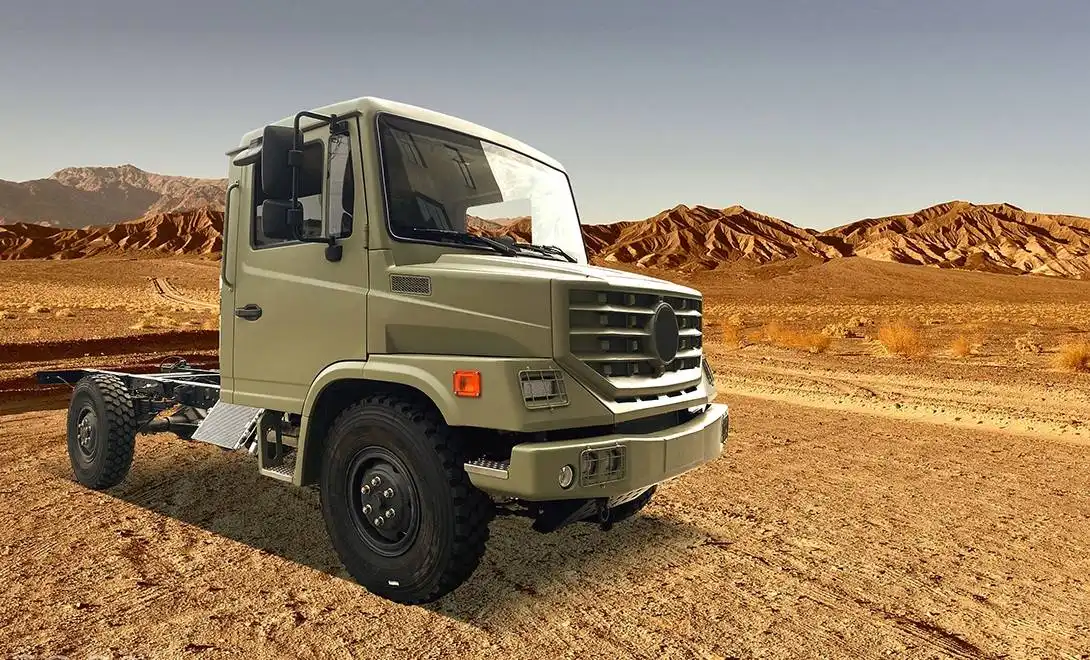
The Mechanics Behind Four-Wheel Drive Systems
In the oil and gas business, four-wheel drive equipment is essential for safe work in the field. The method smoothly sends power to all four wheels, which improves grip on uneven surfaces that are typical on drilling sites and during pipeline installations. When driving on soft sand, thick mud, or rocky ground that would stop most two-wheel drive vehicles, these trucks keep their grip and can keep going.
Modern 4WD systems have differential locking mechanisms that make it safe for users to drive on steep hills and downhills while moving big loads. Transfer cases make it easy to switch between high and low range gears, which helps the bike get the most power for the terrain. By understanding these basic physics, buying teams can better understand why investing in good four-wheel drive cars has a direct effect on worker safety and operating efficiency.
Terrain Challenges in Oil and Gas Operations
The terrain in oil and gas fields is very rough, so vehicles need to be able to handle those conditions. For activities in the desert, cars need to be able to handle high temperatures, sand getting inside, and losing their grip on changing dunes. To get through standing water and soft earth, swampland drilling sites need very high ground clearance and protection.
For mountain and hillside activities to be safe, vehicles must be able to climb steep slopes well and have reliable stopping systems. In each setting, there are unique problems that regular commercial cars just can't solve. The right 4x4 off-road truck is more than just a piece of transportation equipment; it's an investment in the safety of your employees and the continuity of your business.
Load Capacity and Equipment Transport Requirements
These days, oil and gas activities need vehicles that can carry heavy loads of tools over rough terrain. Vehicles with strong frame designs and better suspension systems are needed for drilling tools, pipe sections, safety gear, and scientific instruments. Payload capacity directly affects working efficiency, since not having enough load capacity means making more trips, which costs more in fuel.
When looking at trailer extensions for moving specialized tools, the ability to tow becomes just as important. Heavy-duty drive systems, strengthened frames, and the right gear ratios work together to make sure that the machines work reliably at full load. These features set professional-grade off-road cars apart from pleasure vehicles sold to regular people.
Top 4x4 Off-Road Trucks Ideal for Oil & Gas Field Services
Performance and Durability Analysis
To choose the best four-wheel drive truck, you need to carefully look at performance measures that have a direct effect on field operations. Over the life of the car, operating costs are based on engine power, torque delivery, and fuel economy. Transmission reliability affects repair plans and the amount of downtime that happens, which are both very important in remote work settings.
Here are the most important performance traits that set apart the best 4x4 off-road truck models for oil and gas jobs:
• Engine Performance: Turbocharged diesel engines offer the best power for heavy-duty tasks while still using minimal fuel over long periods of time in the field.
• Transmission Systems: Heavy-duty automatic gears that can be overridden by hand make sure that the vehicle will run reliably in a variety of load conditions and weather conditions.
• Suspension Technology: The independent front suspension and solid back wheels make for the best mix of ride comfort and load carrying ability for professional use.
• Cooling Systems: Extra cooling systems and larger radiators keep the engine from overheating when it's running at low speeds for a long time in places with high temperatures.
• Electrical Systems: Wiring cables that are reinforced and electrical parts that are sealed can withstand damage from wetness, dust, and vibration that are typical in the field.
These improvements in performance directly lead to lower running costs and higher safety margins during important field activities.
Comparative Cost Analysis and ROI Considerations
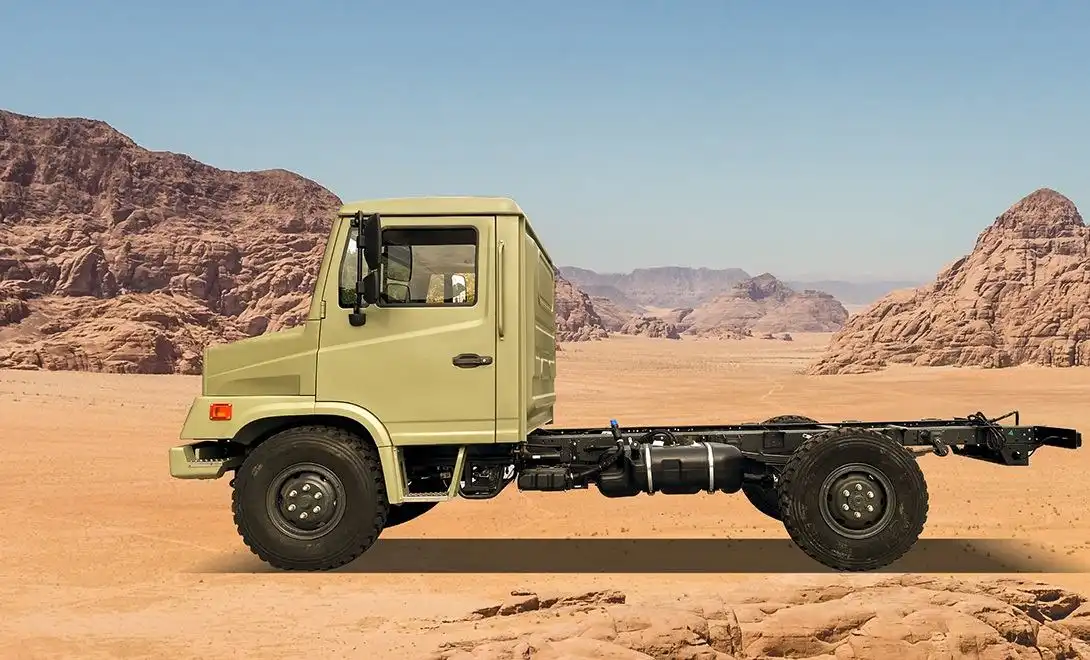
When buying teams know the total cost of ownership, they can make smart choices that balance the original investment with the long-term costs of running the business. The price you pay for the car is only one part of the overall costs of owning it. Other costs, like fuel, repairs, and new parts, add up quickly.
According to reliability scores from the industry, well-designed 4x4 off-road trucks usually have 15-20% lower upkeep costs than regular commercial vehicles when used in the same circumstances. Improvements to the fuel efficiency of current diesel engines cut running costs by 8–12% compared to gasoline-powered options. This is especially helpful during long deployments in the field.
Total cost estimates are affected by the resale value of the car, since reliable vehicles have higher residual values. Fleet managers say that buying good four-wheel drive trucks cuts unexpected downtime by 25–30% compared to cheaper options, which directly leads to higher operational profits.
How to Choose the Best 4x4 Off-Road Truck for Your Oil & Gas Operations?
Matching Vehicle Specifications to Operational Requirements
To choose the right truck, you must first carefully look at the specific working needs that are unique to each oil and gas project. The best way to set up a vehicle depends on the terrain, the usual loads, the needs of the crew for movement, and weather factors. For operations in the desert, you need better air filters and cooling, and for operations in the swamp, you need better protection and ground clearance.
Payload capacity should be 20–25% higher than the highest predicted loads to make sure safe operation and room for extra equipment that comes up out of the blue. When thinking about trailer attachments for moving specialized tools, towing ability becomes very important. The size of the fuel tank affects the working range and the difficulties of refueling in remote areas where fuel may not be easy to find.
Engine Selection and Fuel Efficiency Considerations
When it comes to oil and gas field uses, diesel engines usually work better because they produce more power and use less fuel. Modern common-rail diesel systems meet stricter pollution standards while still being reliable enough for operations in remote areas. Turbocharged versions give you more power when you need it while still using a fair amount of fuel when you're not using them.
Diesel fuel may not be easy to come by in some places, or gasoline engines may be better for lighter-duty jobs. Diesel engines, on the other hand, usually make up for their higher starting cost over the life of the car because they use 15-20% less fuel. In places where natural gas is plentiful, thinking about alternative fuels, such as natural gas upgrades, may help save even more money.
Procurement Strategy: Purchase vs. Lease Options
The plan for buying a fleet has a big effect on how oil and gas companies handle their cash flow and taxes. Buying cars gives you long-term cost savings and full control over repair plans and changes to the cars. Lease deals take less money up front and make replacing a fleet easier, but they may limit how the vehicles can be changed.
Certified pre-owned cars from reputable shops can save you a lot of money while still meeting high standards of reliability. Professional inspections can help you find problems before you buy, which can save you money on upkeep costs that you didn't expect. Options for longer warranties give you more safety against major component failures during key operating times.
Essential Accessories and Customizations for Oil & Gas 4x4 Trucks

Critical Safety and Performance Accessories
To make four-wheel drive cars work better in oil and gas fields, you need to carefully choose additions that improve both safety and functionality. For professional tasks, you need tools that meet or go beyond the safety standards for your business and work reliably in tough circumstances.
Specialized parts like the ones below are necessary tools that make field work much easier:
For winch systems, electric winches with synthetic rope can help recover vehicles and place tools in the field, which is especially useful in remote areas where help might not be available.
• Enhanced Lighting: LED light bars and extra lamps make it easier to see at night and during emergencies, which directly improves worker safety and operating efficiency.
• Communication Equipment: Two-way radios and satellite phones make sure that you can stay in touch with emergency services and base operations even when cell phone service isn't available.
• Protection Systems: Skid plates, brush guards, and strengthened bumpers keep important parts of the car safe from damage caused by rocks, debris, and plants that are common in the field.
• Tool Storage: Secure tool boxes and equipment racks keep specialized tools and safety gear needed for field work in order.
With these add-ons, regular 4x4 off-road truck units can be turned into specialized work platforms that can handle complicated oil and gas field activities safely.
Custom Build Solutions and Specialized Modifications
Specialized makers can make solutions that aren't available from normal car configurations because they have to meet specific working needs. These changes include better electricity systems for certain types of equipment to work and custom body shapes for storing certain tools and equipment.
Integrating hydraulic systems into vehicles makes it possible to run specialized tools from the vehicle itself, eliminating the need for separate power sources in outlying areas. Custom setups of fuel tanks increase the range of an aircraft while keeping the payload space for important tools the same. Environmental safety systems, such as better air filtration and pressurized cabs, keep workers safe from dangerous weather conditions.
Professional fitting services make sure that changes to a car don't affect its safety or the guarantee. Quality custom modifications usually raise the resale value of a vehicle and give it operating benefits that make up for their initial cost by making it more efficient and capable.
Safety and Reliability in Harsh Oil & Gas Environments
Critical Safety Features for High-Risk Operations
Working in the oil and gas industry has its own safety issues that require vehicles to have extra safety features on top of what is required by law. In these dangerous places, fire control systems, electrical parts that won't explode, and emergency contact gear are needed more than just nice to have.
Roll cage protection devices are very important for keeping people safe when a car rolls over, which happens more often off-road than on the highway. Modern braking systems that can prevent wheel lockup make sure that you can stop safely on uneven areas, where regular brakes might not work.
Visibility enhancements, including wide-angle mirrors and backup camera systems, help operators stay safe in crowded work areas where heavy machine operation causes many blind spots. Emergency beacon systems and GPS tracking make it possible to quickly find and help cars in rural areas that are having technical problems or crashes.
Preventive Maintenance Strategies for Extreme Conditions
In oil and gas activities, harsh environmental conditions speed up regular wear patterns and cause new maintenance problems that need proactive management methods. Dust getting inside, high temperatures, and steady vibrations put a lot of stress on vehicle parts that aren't normally used in cars.
When cars are used in harsh conditions, the time between regular repair checks should be cut by 25 to 30 percent compared to what is normally suggested. Better filtration systems need to be replaced more often, and regular upkeep of the cooling system is essential to keep the engine from getting expensive harm. Attention needs to be paid to lubrication systems so that dust and other debris in the surroundings don't get into them.
Professional maintenance programs that include regular inspections, component testing, and predictive maintenance technologies are all part of professional maintenance programs. These help find possible problems before they cause expensive downtime. By forming maintenance partnerships with qualified service providers, owners of 4x4 off-road truck fleets can get access to new parts and specialized knowledge that are made for their needs.
Conclusion
When looking for the best 4x4 off-road truck for oil and gas field services, you need to think carefully about your needs, the environment, and the long-term costs. Buying good four-wheel drive cars has a direct effect on how well operations run, how safe workers are, and how much money the project makes. These days, off-road trucks come with advanced drivetrain technology, better safety features, and customization choices that are designed to meet the specific needs of oil and gas field activities. A good procurement strategy weighs the original investment against the total cost of ownership and makes sure that the cars meet strict performance standards.
FAQ
What makes a 4x4 truck suitable for oil and gas field operations?
Oil and gas field operations require vehicles with enhanced traction control, superior ground clearance, robust suspension systems, and reliable cooling systems. These trucks must handle heavy payloads across challenging terrain while maintaining operational reliability in extreme environmental conditions. Professional-grade four-wheel drive systems provide the necessary capability for safe navigation through mud, sand, rocks, and steep inclines common in field locations.
How often should maintenance be performed on off-road trucks in field service?
Maintenance intervals for off-road trucks operating in oil and gas fields should be reduced by approximately 25-30% compared to standard recommendations. Harsh environmental conditions including dust, extreme temperatures, and constant vibration accelerate component wear. Regular inspections every 2,500-3,000 miles help identify potential issues before they result in costly breakdowns during critical operations.
Are electric 4x4 trucks viable for oil and gas field operations?
Electric four-wheel drive trucks show promise for specific oil and gas applications, particularly in areas with environmental restrictions or where noise reduction is important. However, current battery technology limits operational range and charging infrastructure availability in remote locations presents challenges. Hybrid systems may provide a transitional solution, combining electric efficiency with conventional fuel reliability for extended range operations.
What payload capacity should I consider for oil and gas field trucks?
Payload capacity should exceed maximum anticipated loads by 20-25% to ensure safe operation and accommodate unexpected equipment additions. Typical oil and gas field operations require payload capacities ranging from 2,000 to 4,000 pounds, depending on specific operational requirements. Towing capacity becomes equally important when considering trailer attachments for specialized equipment transport.
How do I evaluate total cost of ownership for fleet vehicles?
Total cost of ownership includes purchase price, fuel consumption, maintenance costs, insurance, and residual value. Professional-grade off-road trucks typically provide 15-20% lower maintenance costs and 8-12% better fuel efficiency compared to budget alternatives. Calculate costs over the expected service life, typically 5-7 years for fleet vehicles, to determine the most cost-effective investment strategy.
Partner with JCM for Your 4x4 Off-Road Truck Requirements
This is because JCM knows how hard it is to work in the oil and gas fields. They are ready to help you find the right four-wheel drive options for your needs. Our full integration of the industry chain lets us quickly customize vehicles, add specialized equipment, and provide full lifecycle support from the beginning of the planning process to the end of production. As a reliable 4x4 off-road truck provider, we use our global network of car experts and manufacturing skills to make sure that the vehicles we sell are more reliable and perform better than the norm. Our team offers full technical support and coaching services to help you get the most out of your fleet, whether you need standard setups or specialized custom builds. Get in touch with us at info@jcm-star.com to talk about your unique needs and find out how our custom automotive solutions can make your field activities safer, more efficient, and more profitable.
References
1. Society of Petroleum Engineers. "Heavy Duty Vehicle Requirements for Remote Oil and Gas Operations." SPE Technical Standards Manual, 2023.
2. American Petroleum Institute. "Safety Standards for Off-Road Vehicles in Petroleum Operations." API Standard 675, 2022.
3. International Association of Drilling Contractors. "Fleet Management Best Practices for Oil and Gas Operations." IADC Guidelines Report, 2023.
4. Oil and Gas Journal. "Vehicle Technology Trends in Upstream Operations." Annual Equipment Survey, 2023.
5. Society of Automotive Engineers. "Off-Road Vehicle Performance Standards for Industrial Applications." SAE Technical Paper Series, 2022.
6. Petroleum Equipment Institute. "Total Cost of Ownership Analysis for Industrial Fleet Vehicles." PEI Research Publication, 2023.

Based on your vehicle requirements, we will quickly match the most suitable specifications and provide a competitive quote.
_1755581003287.webp)
Global Customized
_1756108840480.webp)
_1755854765757.webp)