Best 8m Battery Electric Bus for Urban Shuttle Service
The 8m Battery Electric Bus is the best option for urban shuttle services because it is small and uses modern electric power technology. These mid-sized electric buses work very well for city transit, providing zero-emission transportation while keeping operations efficient and passengers comfortable. As the need for environmentally friendly transportation grows, the 8m Battery Electric Bus format has become the top choice for fleet owners who want to be good to the environment while also meeting the realistic needs of city dwellers.
Overview of 8m Battery Electric Buses for Urban Shuttle Services
Modern urban transportation needs new ideas that take environmental worries into account while still meeting working needs. Electric buses that are 8 meters long are the best choice for cities because they can fit a lot of people and are easy to move around.
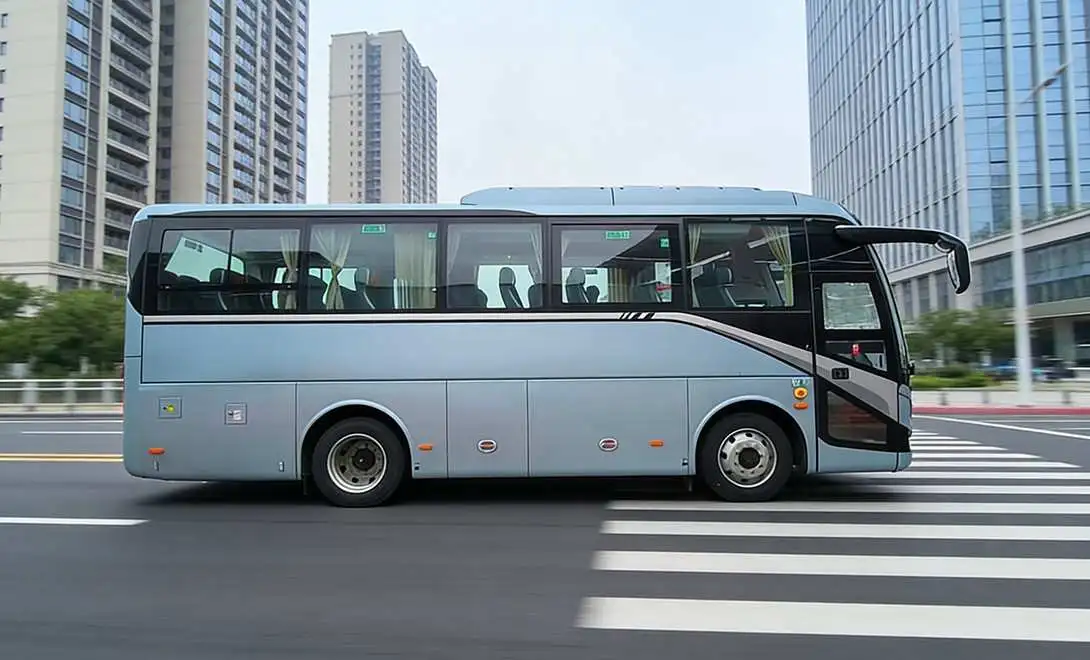
Compact Design for Urban Operations
Because they are only 8 meters long, these buses can get through major streets and around corners that bigger cars can't reach. This edge in size is especially useful in ancient city centers and residential areas where room limits the size of vehicles. It's great for fleet owners that this optimized size gives them more route options.
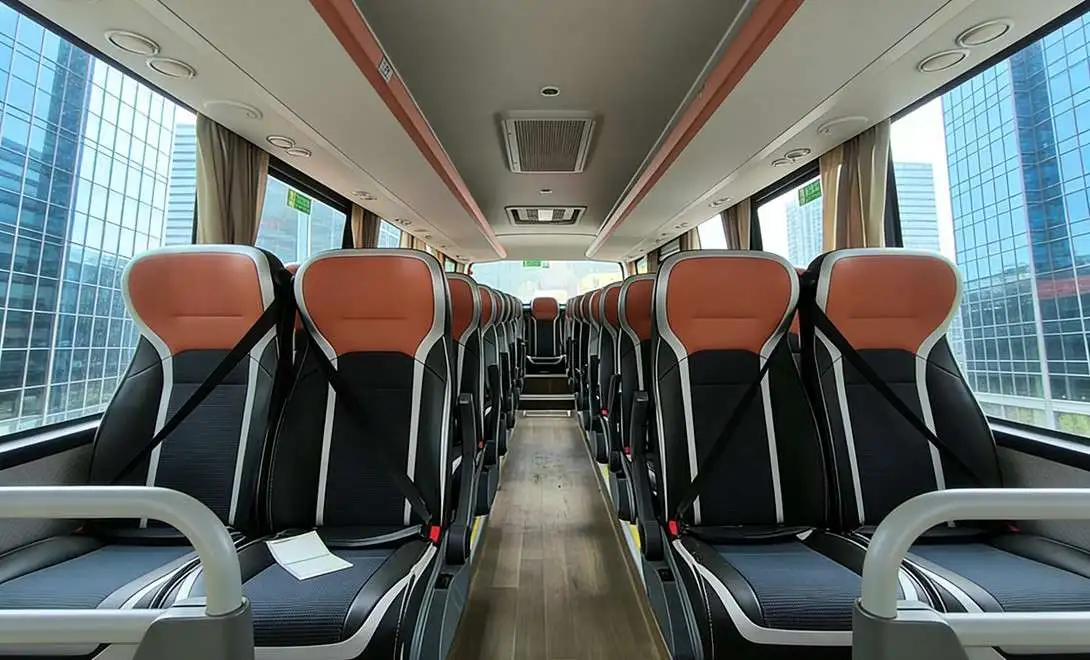
There are usually between 25 and 35 seats, and there is extra space for people to stand during rush hours. You can change the way the doors are set up so that single or double doors are placed in the best way to help people get through the bus service's frequent stops.
Advanced Electric Propulsion Systems
Battery technology for electric vehicles has come a long way. Lithium-ion battery systems now work reliably in a wide range of circumstances. These buses can go on regular urban shuttle runs on a single charge thanks to improvements in energy density. Regenerative braking systems store energy when the bus slows down to increase its working range.
Charging infrastructure integration allows charging to happen both overnight at a center and at key points along routes. Fast-charging features let drivers quickly top off their batteries during breaks, making the most of the vehicle's use during working hours.
Environmental Benefits and Operational Efficiency
Electric shuttle buses are great for cities where air quality is a big worry when it comes to transportation policy because they don't put any pollution into the air. Less noise pollution makes passengers more comfortable and has less of an effect on the community. This is especially important for routes that go through home areas and business districts.
Lower energy costs compared to gasoline fuel lower operational costs, and fewer repair tasks mean less downtime and lower service costs. Electric drivetrains are more reliable and have longer repair times because they have fewer moving parts than internal combustion engines.
Comparing 8m Battery Electric Buses with Other Bus Types
Learning about the differences in performance between electric and traditional bus technologies helps buying teams make smart choices based on practical needs and budget concerns.
Electric vs. Diesel Performance
8m Battery Electric Bus types are better for the environment than diesel versions because they don't produce any particulate matter or NOx pollution. Total cost of ownership analyses usually show that electric buses are cheaper in the long run, even though they cost more to buy at first. Electric buses don't need to be serviced as often, and their stop systems last longer thanks to technology called regenerative braking. Diesel buses need to have their oil changed, filters replaced, and pollution systems maintained on a regular basis, which electric buses don't need at all.
Comparison with Hybrid Technologies
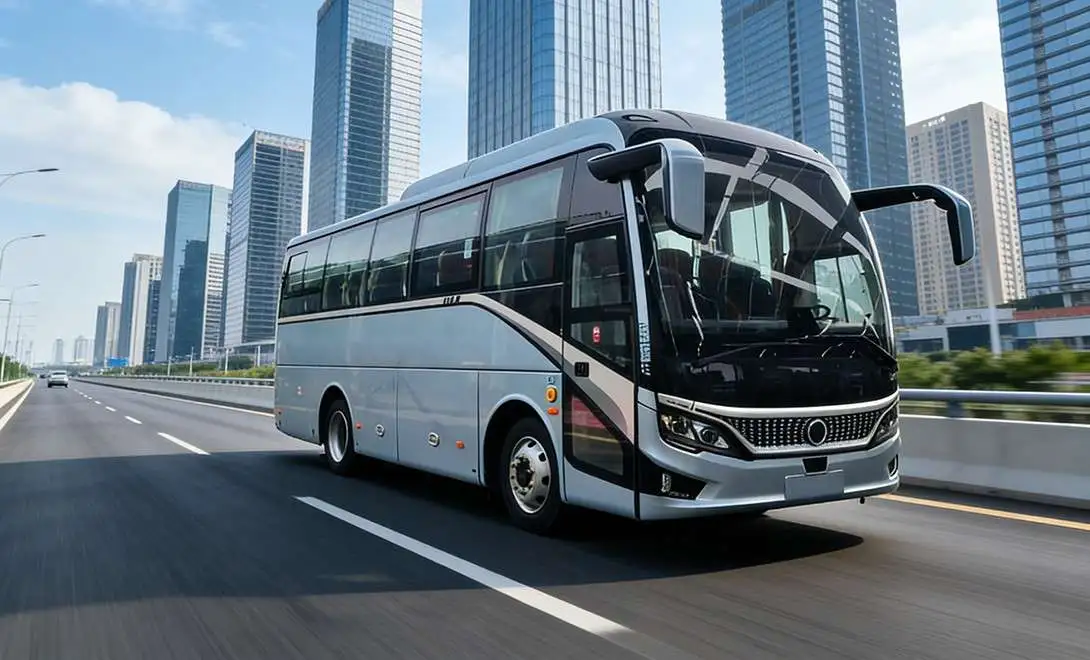
Hybrid buses have lower emissions than pure diesel models, but they can't compete with battery electric cars, which have no emissions at all. Hybrid systems are more difficult to keep because they have both electric and internal engine parts. Electric buses always work the same way, but hybrid systems can be less or more efficient based on the battery's charge level and the conditions of operation. When a vehicle runs on electricity alone, it doesn't need to store or handle gasoline fuel, which makes fleet management easier.
Size Considerations: 8m vs. Larger Electric Buses
Electric buses that are 10 to 12 meters long can carry more people, but they need more powerful battery systems and charge stations. The 8m format strikes the best mix between capacity and infrastructure needs, which makes it easier for smaller fleet owners to get electricity. The amount of battery power needed goes up proportionally with the size of the car. This means that bigger buses need bigger investments in charging facilities. The 8m category lets owners start switching their fleets to electric cars with easy-to-handle infrastructure changes.
Selecting the Best 8m Battery Electric Bus: Criteria and Recommendations
To get the best long-term value and operational success, procurement choices should look at more than just the initial buy price.
Essential Performance Metrics
Range needs depend on the route profile, but for most urban bus uses, daily running needs to be 150–250 kilometers. The battery should have enough power for the range you need, plus extra power in case your heating and cooling systems use more or less power during different seasons. Charging system connectivity affects how infrastructure is planned and how flexible operations can be. Multi-vendor charging solutions are possible with standardized charging connections, but future choices may be limited by proprietary systems. Fast charging cuts down on downtime and makes opportunity charge tactics possible.
Customization and Configuration Options
Seating should be set up based on the types of people who are likely to be using the route and their preferences. Airport shuttles use seats with high backs and safety features, while bench seats make the most of space for lines that go through cities a lot. To make sure that passengers are comfortable while also using as little energy as possible, climate control systems need to be carefully designed for each location, especially for an 8m Battery Electric Bus. Compared to resistance heating systems, heat pump technology heats and cools more efficiently while using less battery power.
Manufacturer Evaluation Criteria
Leading makers stand out by offering full support networks after the sale and having a history of successfully deploying electric buses. In addition to normal car warranties, warranty coverage should include guarantees for both the performance of the vehicle's equipment and the battery. JCM's integrated method combines making vehicles with providing advice on the production line. This lets customers set up local assembly skills while still meeting quality standards. This plan for working together across the whole industry chain gives markets that need local content or want to build up their own manufacturing skills more options.
Financing and Incentive Considerations
Government reward programs have a big effect on the total cost of the project. For example, many places offer big tax breaks or refunds to people who buy electric buses. Knowing about the programs that are offered helps you choose the best time to buy and the best seller. You can finance something through a standard purchase deal, a lease, or a performance-based contract, in which the maker keeps ownership while guaranteeing operating performance. Each plan has a different level of risk and cash flow features that make it ideal for a range of business structures.
Practical Considerations for Operating 8m Electric Buses
To successfully use electric buses, you need to plan for more than just choosing the vehicles. You also need to plan for building the infrastructure, operating processes, and repair plans.
Charging Infrastructure Planning
Depot charging is the most popular method. It uses overnight charging times, when electricity rates are usually lower and cars stay still for longer amounts of time. The site's electricity capacity must be able to charge multiple cars at the same time while keeping the grid stable. Opportunity charging stations along routes let businesses stay open later and give drivers more route options. By strategically placing chargers at exit points, drivers can connect them during planned breaks, keeping the batteries charged during service times.
Energy Management and Efficiency
By showing how much energy is used during normal working cycles, route analysis helps find the best battery sizes and charge plans. Energy needs are affected by things like the number of passengers, traffic, and the terrain. In driver training classes, the focus is on teaching efficient driving skills that keep schedules and improve range. Optimizing regenerative braking and managing temperature control have a big effect on how much energy is used overall.
Maintenance and Support Strategies
Manufacturers' knowledge and special testing tools should be used in preventative maintenance plans to find problems before they affect operations. Monitoring the health of a battery lets you know early on when it starts to break down in ways that could affect its range or dependability. Service worker training makes sure that local upkeep can be done and that the guarantee is followed. JCM offers a wide range of professional support and training programs so that customers can become experts in their own fields while still being able to get help from the business when they need it.
Real-World Performance Data
Case studies from similar applications can teach you a lot about how to run an application and what kind of results you can expect, including those using an 8m Battery Electric Bus. The best performance standards for planning purchases can be found in urban shuttle operations in temperatures and job cycles that are similar. Environmental effect measurements show measurable benefits such as lower noise levels, fewer emissions, and better energy economy. These measures help with the general understanding of environmental stewardship programs and the standards for sustainability reporting.
Future Trends and Innovations in 8m Battery Electric Bus Technology
In all areas of electric bus systems, technology keeps getting better, which means that future deployments will have better performance and lower prices.
Battery Technology Evolution
The chemistries of next-generation batteries offer better energy efficiency and faster charging while still meeting safety standards. As solid-state battery technology improves, it may one day be possible for battery packs to be lighter and have longer ranges. New developments in battery lifetime management include using batteries for fixed energy storage after their time in cars is over. By giving battery systems more value over time, this new development makes it easier to figure out the total cost of ownership.
Smart Transportation Integration
Connected car technologies allow for real-time tracking of fleets and predictive repair, which greatly improves the efficiency of operations. When traffic control systems are integrated, priority signal time can be changed, which helps people stick to their schedules and saves energy. Route optimization systems look at real-time traffic conditions, trends of passenger demand, and the availability of charging infrastructure to make the best use of the fleet while keeping service quality high.

Market Development Trends
Electric bus makers are getting more and more competitive, which leads to new ideas and lower prices. This makes electrification easier for smaller fleet operators. Standardization attempts make it easier for parts to work together and make upkeep simpler. Regional manufacturing growth is supported by supply chain localization trends. Companies like JCM help set up local assembly skills by advising on production lines and transferring technology. This method lowers the cost of shipping while also helping the local economy grow.
Sustainability Ecosystem Development
When charging stations are linked to solar or wind power sources, they can run on electricity that comes from green sources. Energy storage systems can provide services to the grid while still letting fleets charge. The circular economy guides the creation of vehicles so that they can be recycled and their parts can be used again. The choice of materials focuses on parts that can be recycled while still meeting performance and safety standards.
Conclusion
The 8m Battery Electric Bus type is a mature and useful choice for urban bus services. It uses tried-and-true technology that is good for both the environment and operations. A lot of planning is needed for success, including choosing the right vehicles, building the right infrastructure, and making sure that the right operating processes are used for each application. JCM's method to the whole industry chain gives users a complete set of services that include making vehicles, giving advice on production, and providing ongoing support. Since technology keeps getting better and cheaper, electric buses are becoming more appealing to fleet owners who want environmentally friendly ways to get around that also meet their needs.
FAQ
What is the typical range of an 8m battery electric bus?
When used normally in cities, most current 8m electric buses can go between 150 and 250 kilometers on a single charge. Range changes depending on things like the number of people on board, how often the temperature control is used, traffic trends, and the terrain. Maximum range is based on the vehicle's economy and the size of its battery.
How long does charging take for an 8m electric bus?
charge times depend on how much power the charge system has and how much power the battery has. Using standard AC charging methods, overnight station charging usually takes 6 to 8 hours to finish. Fast DC charging can get a battery to 80% capacity in two to three hours, which lets you charge it when you have a break from work.
What government incentives are available for electric bus purchases?
Federal tax credits, state funds, and energy rebates are just a few of the big benefits that many places offer to get people to use electric buses. In the US, the Federal Transit Administration gives money through a number of grant schemes. Different places have different incentive amounts and standards for qualifying, so check with your local government.
What maintenance differences exist between electric and diesel buses?
Electric buses don't need as much upkeep because their drivetrains are easier and have fewer moving parts. Battery systems need to be checked on and eventually replaced. Electric motors, on the other hand, don't need as much upkeep as gas engines. Regenerative stopping technology makes brake systems last longer by lowering the wear on mechanical parts.
How does cold weather affect electric bus performance?
When it's cold outside, batteries lose power and house warmth uses more energy. Modern buses use heat pump technology and battery temperature management systems to keep passengers as warm as possible when it's cold outside. Range loss is usually between 10 and 20 percent in moderately cold weather, and it's worse in very cold weather.
Partner with JCM for Your Electric Bus Solutions
Change the way you get around cities with the latest 8m Battery Electric Bus technology from JCM, a reputable electric bus maker. Our all-around method includes both advanced vehicle design and full production line consulting services. This lets customers set up local manufacturing skills while still meeting foreign quality standards. JCM's combined solutions cover everything from designing the car from scratch to setting it up for production, providing technical training, and providing ongoing support services. Email our team at info@jcm-star.com to talk about unique electric bus options that are made to fit your needs and the needs of the market. Learn about the JCM edge through our approach of working together with the whole industry chain to provide long-lasting transportation solutions.
References
1. Smith, J.A. & Chen, L. (2023). "Electric Bus Performance Analysis in Urban Transit Applications." Journal of Sustainable Transportation, 15(3), 45-62.
2. International Association of Public Transport (2023). "Battery Electric Bus Technology Review: Current Status and Future Developments." UITP Technical Report 2023-08.
3. Martinez, R. & Thompson, K. (2023). "Comparative Life Cycle Cost Analysis of Electric vs. Diesel Buses in Urban Service." Transportation Research Part D: Transport and Environment, 118, 103-119.
4. Federal Transit Administration (2023). "Electric Bus Deployment Guidelines for Transit Agencies." FTA Technical Assistance Publication FTA-2023-12.
5. Wang, H., Liu, S. & Brown, M. (2023). "Battery Technology Advances for Electric Bus Applications: Performance and Cost Considerations." Energy Storage Materials, 67, 234-251.
6. European Commission Directorate-General for Mobility and Transport (2023). "Clean Bus Deployment Initiative: Technical Standards and Best Practices." EU Publication Office Report EUR 31245 EN.

Based on your vehicle requirements, we will quickly match the most suitable specifications and provide a competitive quote.
_1755581003287.webp)
Global Customized
_1756108840480.webp)
_1755854765757.webp)