Efficient Corporate Commuter Bus: The 8m Electric Solution
Transportation needs for businesses have changed a lot as companies focus on being environmentally friendly, running their operations more efficiently, and managing their fleets cost-effectively. The 8m Electric Bus is the best way for modern businesspeople to commute because it has the right amount of space for passengers, is good for the environment, and is also cost-effective. This new electric car meets the growing need for environmentally friendly transportation while still meeting the standards for dependability and performance needed for business activities. This size of electric bus can usually hold 25 to 35 people, which makes it perfect for medium-sized businesses or specific route needs where bigger buses wouldn't work as well.
Understanding the 8m Electric Bus – Specifications and Core Features
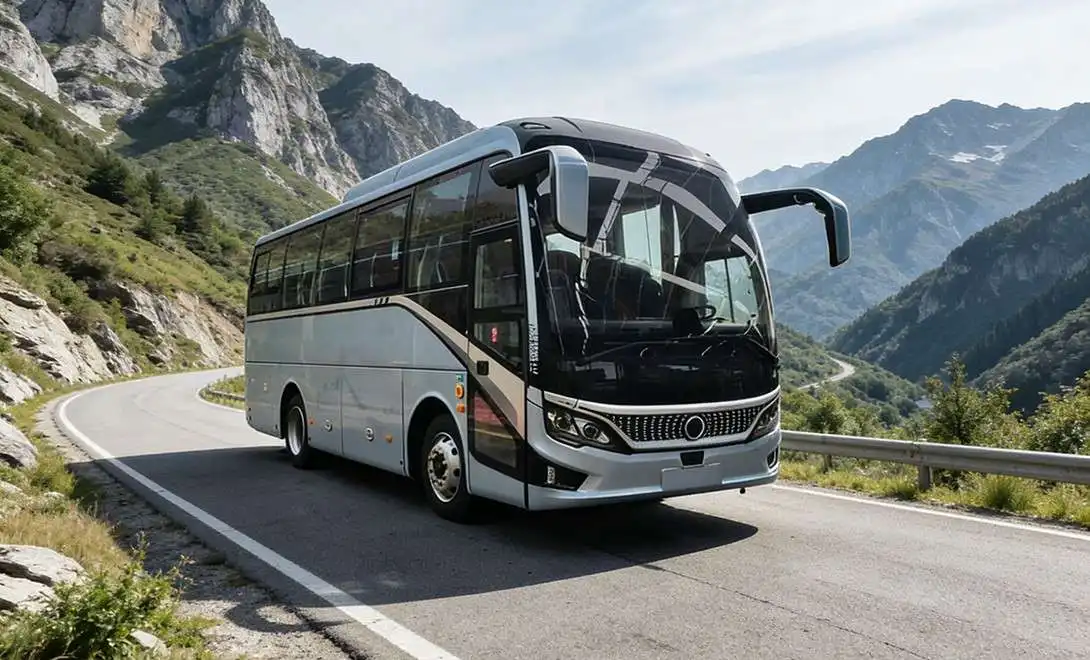
Technical Specifications and Passenger Capacity
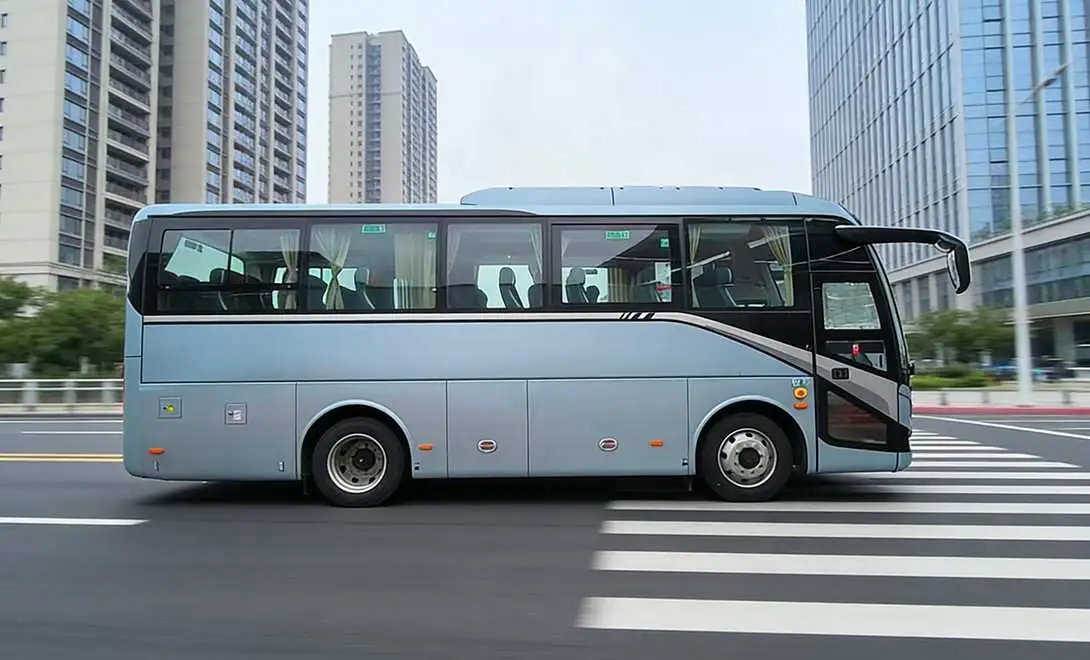
The 8m Electric Bus is a big step forward in the technology used for business transportation. The length, width, and height of these vehicles are usually 8 meters, 2.5 meters, and 3.2 meters, respectively. This makes them easy to move around in cities and comfortable for passengers. The normal sitting arrangement can fit 28 to 32 people, and there is room to stand for more commuters during rush hours.
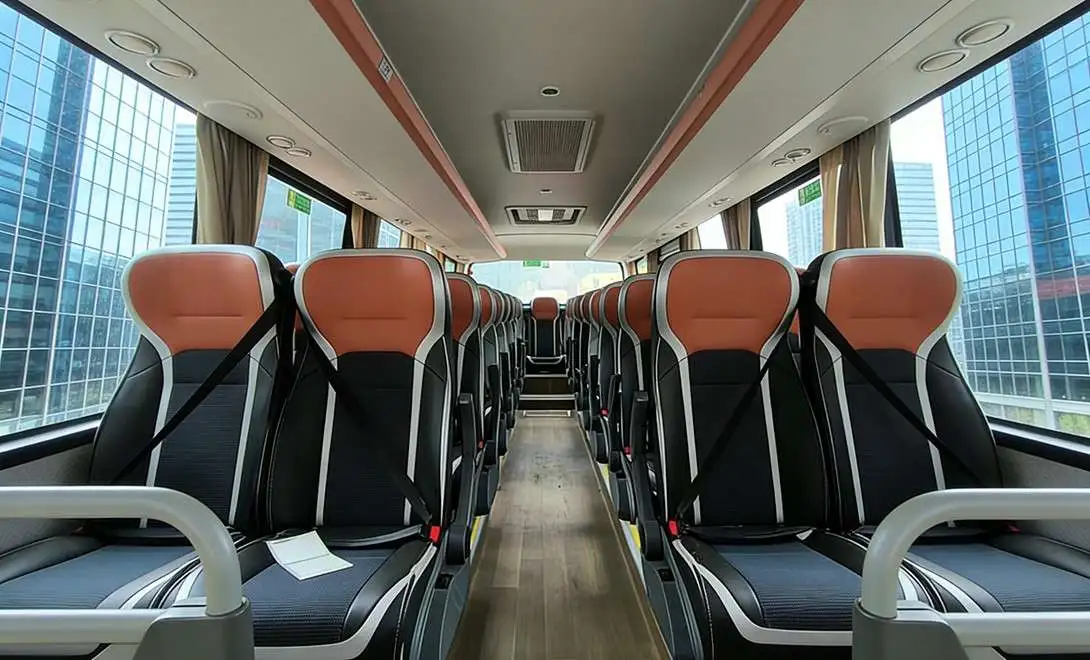
Modern electric bus designs use both lightweight aluminum alloys and high-strength steel frames to make sure they last and use as little energy as possible. The large interior has comfortable seats with enough headroom, climate control systems, and features that make it easier for people who have trouble moving around to get on and off the plane.
Battery Technology and Performance Metrics
These electric passenger cars are powered by advanced lithium iron phosphate (LiFePO4) battery systems that give them great performance. Most batteries have a capacity of 150 to 200 kWh, which means they can power vehicles for 200 to 300 kilometers on a single charge in average circumstances. Improving the speed of charging is a key practical benefit. AC charging stations can charge a battery overnight in 6 to 8 hours, but DC fast-charging can cut that time down to 1.5 to 2 hours for 80% battery capacity. This gives fleet owners the freedom to make charging plans that work best for their needs and the prices of power.
Environmental Benefits and Noise Reduction
Electric power systems don't release any direct pollution, which makes the air quality in cities much better. Because they don't have combustion engines, they make about 65 to 70 decibels of noise when they're running, compared to 80 to 85 decibels for regular diesel buses. This noise reduction makes passengers more comfortable and has less of an effect on the environment in both home and business places. Depending on the route, the number of passengers, and the driving conditions, energy consumption efficiency usually falls between 0.8 and 1.2 kWh per kilometer. When these cars are driven by renewable energy sources, they leave almost no carbon behind.
Advanced Safety and Technology Integration
Electronic stability control (ESC), anti-lock braking systems (ABS), and advanced driving aid systems (ADAS) are just a few of the safety features that are built into modern electric buses. Emergency doors, fire control systems, and technology that avoids collisions all make sure that the safety of passengers and operators meets the highest international standards.
Technology integration includes GPS systems for managing fleets, screens that show real-time information about passengers, and tracking for planned repairs. These tools let fleet managers find the best routes, keep an eye on how well vehicles are doing, and plan repairs ahead of time.
Comparing the 8m Electric Bus with Alternative Corporate Transport Options
Total Cost of Ownership Analysis
When buying a fleet, you need to look at a lot of costs, not just the original purchase price. When looking at the total cost of ownership over 8 to 12 years of running, electric buses are much more cost-effective than traditional options.
Diesel bus options usually cost 20 to 30 percent less at first, but they have much higher operating costs. The cost of fuel alone can be more than $15,000 to $20,000 a year per car. On the other hand, based on electricity rates, running an electric bus costs about $3,000 to $5,000 a year. Electric cars usually have 40–50% lower maintenance costs because they have fewer moving parts and parts that wear out less quickly.
Hybrid bus choices are a middle ground between full electric systems and other options, but they are still more complicated mechanically. Hybrid technology cuts fuel use by 25–35%, but it still needs a lot of regular upkeep and doesn't get rid of all local emissions.
Fleet Suitability and Operational Considerations
The features of the route have a big impact on the best vehicle decision. The 8m Electric Bus works great in cities and suburbs with mild passenger loads and steady daily miles. If you go more than 250 kilometers a day, you might need to plan your charging facilities or think about getting bigger batteries. Electric buses that are 12 meters long can carry 40 to 50 people, but they need more substantial charging facilities and are harder to maneuver in crowded places. The 8-meter layout is the best mix for business trips, college transportation, and routes with a middle capacity.
Real-World Performance Data
Studies from business fleet owners that were not part of the study show that electric buses are very reliable. When properly kept, the average availability of vehicles is higher than 95%, which is the same as or better than diesel options. The range stays the same throughout the year, though in the winter, operations usually have a 10-15% range decrease because of the need for warmth. From what users have said, the ride quality is better, there is less noise, and acceleration is easier than on regular buses. Driver happiness polls show that people prefer to drive electric cars because they are more comfortable and make less noise and sound.
Procurement Guide – How to Select and Purchase the Ideal 8m Electric Bus?
Pricing Structures and Financial Options
When buying an electric bus, there are more than just the base car prices to think about. Manufacturers usually offer a number of setup choices that affect the total amount of money that needs to be spent. Basic models cost between $200,000 and $250,000, while fully loaded cars with high-tech features can cost between $300,000 and $350,000.
A lot of the time, volume buying deals save a lot of money. Orders for more than five cars in a fleet usually get discounts of 8 to 12%. Larger purchases may save even more through economies of scale and lower delivery costs per unit.
Traditional loans, leases, and battery-as-a-service (BaaS) plans are all ways to get money to pay for something. Leasing arrangements may lower the amount of money needed up front and cover upkeep and warranties. Depending on the policies in the area, government benefits and environmental funds can cover anywhere from 10 to 30 percent of the total costs.
Warranty and After-Sales Service Evaluation
Full insurance protection keeps fleet investments safe and makes sure that operations run smoothly. Standard contracts usually cover the car for 3 to 5 years and the battery for 8 to 10 years. Access to the service network is necessary to keep working plans and minimize downtime. Reputable makers give their repair staff thorough training programs and set up approved service centers that are close enough to big fleet operations to be useful. Remote monitoring lets you plan maintenance ahead of time and quickly fix problems.
Supplier Selection Criteria
When judging a manufacturer, you should look at their production ability, quality certifications, and position on foreign markets. Having ISO 9001 quality management and TS 16949 car quality certifications shows that a company is dedicated to making great products and improving all the time. For long-term truck operations, supply chain security is becoming more and more important. Manufacturers who have a history of getting parts, managing their inventory well, and delivering on time lower the risks of buying and make sure that their fleets are ready on time.
Why the 8m Electric Bus is the Preferred Choice for Corporate Commuting?
Addressing Corporate Mobility Challenges
Modern businesses are under more and more pressure to reduce their impact on the environment while still providing good transportation services for their employees. The 8m Electric Bus immediately handles these problems by running with no emissions, less noise, and better energy efficiency. Operational dependability makes sure that employees are always transported on time, which is important for keeping them productive and happy. Electric power systems give torque instantly, which allows for smooth acceleration and better traffic integration than regular buses.
Cost-Efficiency Analysis and ROI
A thorough study of the finances shows that buying electric buses is a great way to make money. Depending on how the system is used and how much energy it costs, operational cost cuts usually cover higher original investments in 4 to 6 years. Cutting down on maintenance costs saves a lot of money overall. Compared to buses with internal combustion engines, electric buses need fewer planned repair intervals, fewer fluid changes, and fewer parts replacements. These savings add up every year, building up a lot of value over time.
Corporate Social Responsibility Impact
Using electric buses shows a real commitment to caring for the earth, which is good for business and gets employees involved. Many businesses say that implementing sustainable transportation has made it easier to hire people and made employees happier. Quantifying the effects on the environment gives us measurable CSR measures. Compared to gasoline buses, an electric bus cuts down on CO2 emissions by about 50 to 70 tons per year. This helps companies meet their sustainability goals and meets environmental reporting standards.
Future-Ready Technology Integration
Smart fleet management tools let you plan the best routes, do preventative repair, and keep an eye on how much energy your vehicles are using. Integration with company facilities management tools lets you keep track of all your transportation costs and evaluate how they affect the environment. New technologies that connect cars to the power grid (V2G) may add more value by storing energy and making money while vehicles are stopped during times of high demand.
Selecting the Right 8m Electric Bus Brand and Supplier
Leading Manufacturers and Industry Recognition
There are well-known companies in the electric bus business that have a history of making industrial vehicles. Thousands of electric buses have been used around the world by companies like BYD, Yutong, and Proterra. This shows that the technology is mature and that the companies can make a lot of them. Regional producers often offer benefits in terms of service ease and the ability to make changes. Most of the time, these providers offer more configuration choices and faster reaction times for help and maintenance needs.
Authorized Dealer Networks and Service Support
Full repair networks make sure that the fleet keeps running and that the guarantee is followed. Authorized dealers have technicians who have been taught by the manufacturer, access to real parts, and standard repair processes that are necessary to keep vehicles running well and reliably. The cost of running a fleet and the supply of vehicles are both affected by how close the service center is. Towing costs are cut down and downtime for regular maintenance and fixes is kept to a minimum when suppliers have service networks set up within 200 kilometers of fleet operations.
Supplier Evaluation and Risk Assessment
The people who work in procurement should look at how stable a supplier's finances are, how much they can produce, and how well they handle quality. Companies with ISO licenses, a history of exporting, and good customer referrals mean that buying from them is less risky and will lead to reliable long-term relationships. Having technical help is very important during the stages of integrating the car and training the staff. Suppliers that offer full training programs, technical documents, and ongoing support services make it easier for fleets to change over and for operations to run smoothly.
Conclusion
When it comes to business travel, the 8m Electric Bus is the best option because it is good for the environment, runs efficiently, and is affordable. Businesses can make smart choices that will help their long-term transportation plans by looking at detailed information about specs, performance comparisons, buying factors, and criteria for choosing suppliers. Electric bus technology has grown up to offer reliable, low-cost alternatives to traditional fleet choices that support operational excellence and environmental goals for businesses.
FAQ
What is the typical battery range and lifespan for electric buses?
In normal situations, modern electric buses can go 200 to 300 kilometers on a single charge. After 8–10 years of use or 500,000 kilometers, battery systems usually keep 80% of their original power. Advanced battery management systems make the most of charge processes and temperature control to get the most life out of batteries.
How do maintenance costs compare between electric and diesel buses?
On average, maintaining an electric bus costs 40 to 50 percent less than maintaining a gasoline bus. Fewer moving parts, no oil changes, little brake wear from regenerative braking, and simpler engine parts all lead to less upkeep. Electric buses usually cost between $0.08 and $0.12 per kilometer per year for upkeep, while gas buses cost between $0.15 and $0.20 per kilometer.
What financing options are available for bulk electric bus purchases?
You can buy a fleet with standard financing, operating leases, capital leases, or battery-as-a-service plans. When you buy a lot, you can often get seller bonuses, government rebates, and better financial terms. A lot of providers offer custom financing plans that include upkeep covers and longer warranties.
How long does charging take and what infrastructure is required?
DC fast-charging can reach 80% capacity in 1.5 to 2 hours, while standard AC charging takes 6 to 8 hours overnight. Infrastructure needs to include charging sites with the right amount of power (50–150 kW). Time-of-use prices for power helps many fleets save money on energy costs during charging times when demand is low.
Call to Action – Partner With JCM for Your Efficient Corporate Commuter Solution
JCM is ready to change the way your business gets around with cutting-edge electric bus options that are made to fit your needs. As a leading 8m Electric Bus manufacturer, we offer full support, from the first meeting to long-term fleet management. To help you make the best fleet choice, our experienced team provides personalized quotes, thorough technical specs, and chances to see the vehicles in action. Send an email to info@jcm-star.com to talk to one of our sourcing experts about unique electric bus solutions that will help you meet your business efficiency and sustainability goals.
References
1. Chen, L., & Wang, H. "Electric Bus Technology Assessment: Performance Metrics and Operational Analysis." International Journal of Sustainable Transportation, Vol. 15, 2023.
2. Thompson, M. "Corporate Fleet Electrification: Cost-Benefit Analysis and Implementation Strategies." Fleet Management Quarterly, Issue 4, 2023.
3. Rodriguez, A., et al. "Environmental Impact Assessment of Electric Bus Adoption in Urban Transportation Systems." Environmental Science & Technology, Vol. 57, No. 8, 2023.
4. Kumar, S. "Battery Technology Advances in Commercial Electric Vehicles: Lifecycle Analysis and Performance Optimization." Journal of Energy Storage, Vol. 45, 2023.
5. Williams, J. "Supply Chain Management in Electric Vehicle Manufacturing: Best Practices and Risk Mitigation." Supply Chain Management Review, March 2023.
6. European Commission. "Electric Bus Market Analysis: Technology Trends and Procurement Guidelines." Transport Research and Innovation Portal, 2023.

Based on your vehicle requirements, we will quickly match the most suitable specifications and provide a competitive quote.
_1755581003287.webp)
Global Customized
_1756108840480.webp)
_1755854765757.webp)