Why 8x8 Trucks Dominate Extreme Terrain
When it comes to the roughest terrains, where regular cars fail, 8x8 Truck designs are the best choice. The modern all-wheel-drive systems on these eight-wheeled powerhouses give them unmatched traction, safety, and load-carrying capacity. Because the weight is better spread out over four wheels, these vehicles can go through tough terrain like deep mud, high hills, rocky surfaces, and sandy conditions that would stop regular trucks in their tracks. These special cars are used by the military, on building sites, and in the resource mining industry to keep operations going in places where the terrain is difficult.
Understanding 8x8 Trucks and Their Core Advantages
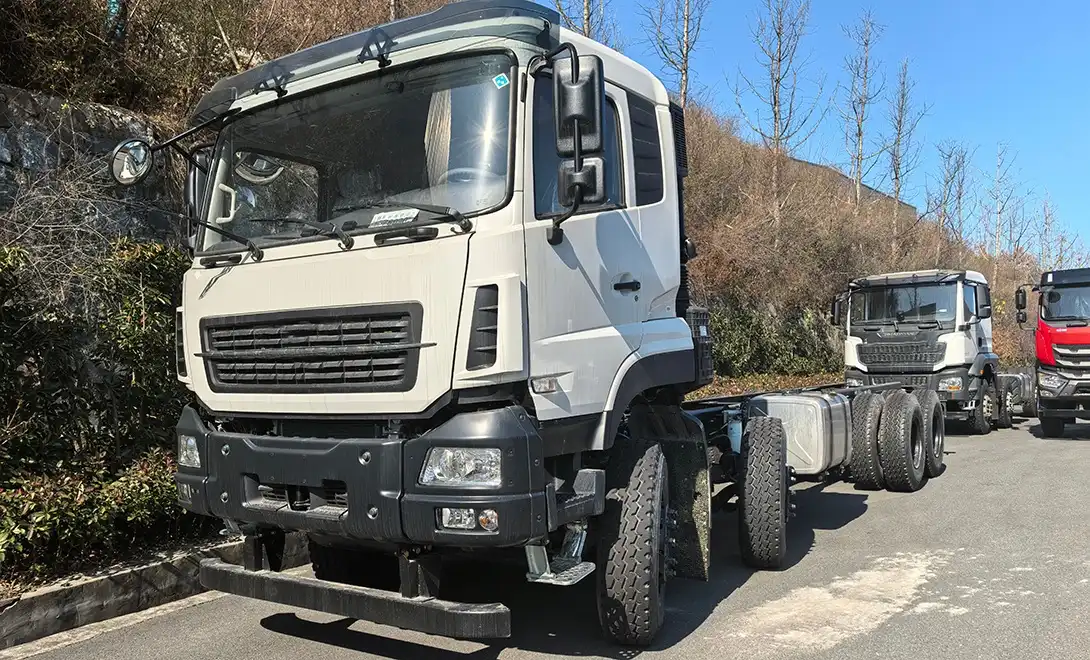
The 8x8 Truck designs indicate decades of advancement in heavy-duty vehicle technology thanks to their superior engineering. There are eight wheels on these specialized cars, spread out over four axles. Each wheel can receive power from the engine. This setup is very different from regular 4x4 or 6x6 systems because it provides better ground contact and load sharing.
Technical Specifications That Set 8x8 Trucks Apart
Modern eight-wheel-drive systems have complex differentials that change how much power goes to each wheel automatically based on how well they grip the road. A center transfer case usually makes up the drivetrain. It sends power to the front, middle, and back axle units. Modern models have electric traction control systems that check for wheel slip and quickly shift power to keep the vehicle moving forward.
The chassis is made of high-strength steel frames that are made to support gross car weights of more than 40 tons while still remaining structurally sound under extreme stress. Each axle has its own independent suspension system, which gives the cars better movement and lets them drive on uneven ground while keeping all eight contact points on the ground.
Enhanced Off-Road Capabilities and Performance Metrics
On hills steeper than 60 degrees, these vehicles perform much better than regular truck setups when it comes to climbing. The longer length makes the vehicle more stable when moving side to side on uneven ground, which lowers the risk of rollovers that happen with shorter vehicles in the same situations. Spreading ground pressure over eight contact points keeps the dirt from getting too compacted and lowers the risk of getting stuck in soft ground.
The payload capacity is usually between 15 and 25 tons, but it depends on the type and setup. They can also go over terrain that regular commercial trucks can't. Often, the wading depth is more than 1.5 meters, which lets them work in wet areas where regular trucks wouldn't be able to. When you combine high torque output with low-range gearing, you get a lot of pushing power that is great for recovery work and moving big trailers over rough terrain.
Comparative Analysis: Why Choose 8x8 Trucks Over Other Configurations?
To understand how eight-wheel-drive systems improve performance, you need to compare their abilities to those of other vehicle designs that are widely used in tough conditions.
Performance Comparison: 8x8 vs 6x6 and 4x4 Systems
Six-wheel-drive cars have better traction than standard 4x4 systems, but they are not as stable or able to spread out loads as eight-wheel setups. The extra axle in 8x8 Truck designs greatly improves weight-carrying capacity while still allowing for excellent movement in rough terrain. When it's sandy or muddy, the bigger ground contact area keeps cars from sinking, which is one of the traction benefits.
Comparing reliability shows that eight-wheel systems have less stress on individual parts because the load is spread across more axles and wheels. This distribution effect makes parts last longer and requires less upkeep than in cars with fewer wheels carrying the same amount of weight. An study of operating costs shows that even though the initial costs are higher than for easier setups, the longer-term value is higher due to the increased capability and decreased downtime.
Leading Manufacturers and Model Innovation
Some of the market winners right now are specialized companies that make vehicles for military and commercial use. Their vehicles use advanced materials and the newest drivetrain technology. New technologies include lightweight metal parts that make vehicles lighter while still meeting structural strength standards. Electronic stability control systems and anti-lock braking systems now work together to make operations at high speeds and on rough ground safer.
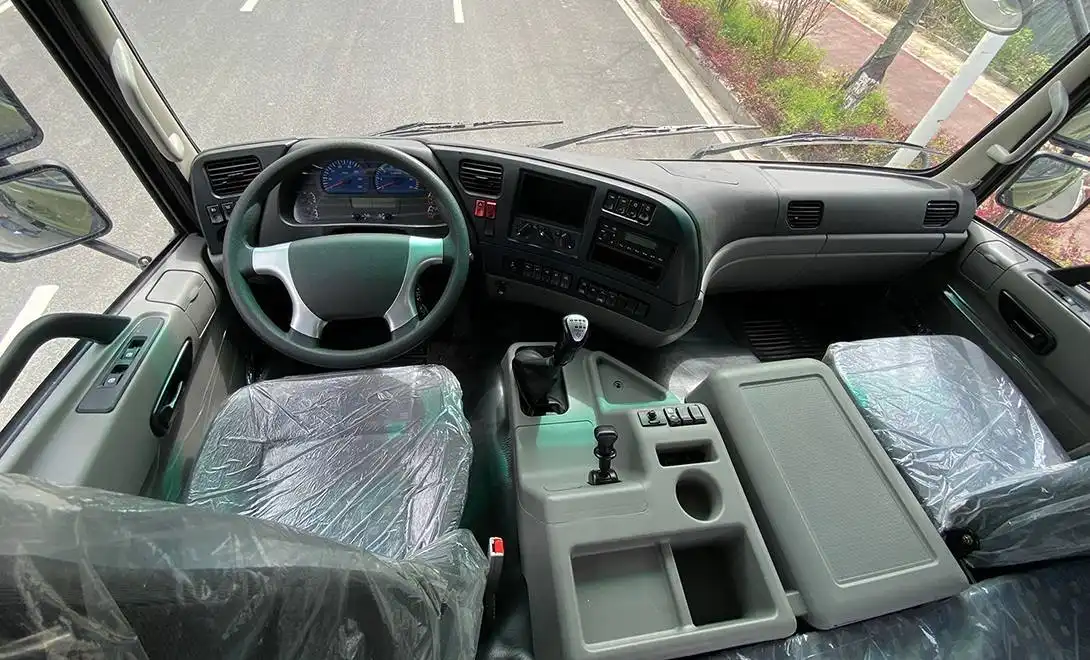
Manufacturers offer customization choices that meet the needs of specific industries. These include custom cargo layouts, the ability to place cranes, and environmental protection systems. Aftermarket support networks make sure that parts are available and that technical help is available across all global markets. This eases the worries of fleet owners who are in charge of cars that are in remote areas.
How 8x8 Trucks Overcome Challenges in Extreme Terrain Operations?
The technical methods used in eight-wheel-drive systems directly deal with the main problems that come up when working in extreme conditions.
Advanced Drivetrain Design and Torque Distribution
The grip at each wheel is regularly monitored by advanced torque vectoring technology in modern 8x8 Truck systems. Sensor data from wheel speed monitors, steering angle sensors, and throttle position signs is analyzed by central processing units to find the best way to send power in real time. This smart system makes sure that the maximum amount of grip is used while also stopping wheel spin that could stop the car from moving.
Differential locking systems let drivers physically connect wheels on separate axles or across multiple axles, based on the terrain. Electronic controls let you choose which of these systems to use without having to stop the car. This keeps it moving even when making difficult turns. When engine stopping systems are combined with drivetrain controls, it's easier to control the slide down steep slopes.
Suspension and Chassis Engineering Excellence
Each axle has its own independent suspension system, which lets the wheels move freely and stay in contact with the ground even when the surface is uneven. Progressive spring rates can handle different loads while keeping the ride quality high during long operations. Shock damper systems have damping features that can be changed to work with different types of terrain and operating speeds.
Instead of concentrating forces at certain mounting places, chassis reinforcement methods spread stress loads across the whole frame structure. This method stops stress fractures, which are common in cars that are used in harsh circumstances. Modular component designs make it easier to fix things on the job and change parts in remote areas where there aren't any specialized service centers.
Maintenance Strategies and OEM Support Networks
Critical wear spots, such as drivetrain parts, suspension systems, and brakes, are the center of preventive maintenance plans. Scheduled regular inspections find possible problems before they become operational failures that could leave cars stuck in remote areas. Specialized oils and greases that work well at a wide range of temperatures are used in lubrication systems made for harsh circumstances.
Standardizing parts across all car platforms cuts down on the need for inventory and makes training programs for repair staff easier. Through global distribution routes, OEM supplier networks offer expert help and real parts. These partnerships make sure that quality standards stay the same and that new systems will work with old ones for as long as the vehicles are in use.
Making the Right Choice: A Buyer's Guide for 8x8 Trucks

When procurement workers are looking at 8x8 Truck options, they need to think about more than just the original buy price to make sure they get the best long-term value and operational effectiveness.
Decision Criteria and Business Alignment
To figure out the total cost of ownership, you need to add up the costs of buying the item, running it, maintaining it, and its expected value after a certain amount of time. Performance standards should be in line with practical needs, such as the amount of weight that can be carried, the difficulty of the terrain, and the weather. When cars are used in remote areas with little access to technology help, their ability to provide after-sales service becomes very important.
When judging a supplier's dependability, you should look at their producing quality standards, shipping options, and promises to provide ongoing support. Companies that have a history of working with difficult tasks show that they have the skills to support complicated car systems. Suppliers who are financially stable and have a global footprint are likely to be able to keep working with you after the initial delivery time is over.
JCM's Tailored Solutions for Extreme Applications
JCM specializes in creating personalized car solutions that meet the unique needs of employees in a wide range of fields. Our all-around method combines designing vehicles, making them, and providing ongoing support services to offer full solutions instead of separate goods. The company's position around the world makes sure that local help is easy to find and that high standards are met in all markets.
Our engineering teams work with clients during the design creation process to make sure that the vehicles are set up in the best way for their intended uses. With this method of consultation, possible problems are found during the planning part, instead of being found out after the fact. The cars that came out of this have better performance traits than standard configurations that can be bought through normal methods.
Future Trends and Innovations in 8x8 Truck Technology
The development of eight-wheel-drive technology keeps moving forward by incorporating new technologies and advances in materials science.
Emerging Technologies and Market Dynamics
Hybrid powertrains that combine gasoline engines with electric motors help provide better speed while also using less fuel over long periods of time. New battery technologies allow electric-only running in places that are sensitive to noise or the environment. When going downhill, regenerative braking systems collect energy that can be used to charge other systems or increase the range of electric-only vehicles.
Connected car technologies allow for remote diagnosis and planned repair, which cut down on unplanned downtime. Telematics systems give operating data that helps make the best use of vehicles and find out what repair needs to be done before parts break. Integration with fleet management systems makes logistics easier and boosts working efficiency across a wide range of car operations.
Strategic Recommendations for Future-Ready Procurement
When planning investments, it's best to focus on cars with modular designs that let new technologies be added without having to update the whole vehicle. Compatibility with new types of fuel and power systems makes sure that operations can continue even as environmental rules change. Supplier relationships with companies that can show they can innovate give you access to new technologies as soon as they are offered to the public.
Instead of just teaching current systems, operations and support staff should be taught how to adapt to new technologies as part of their training. This method makes sure that organizations are ready for changes in technology while also getting the most out of investments already made in vehicles. To maximize the success of the task as a whole, strategic planning should take into account how to integrate 8x8 Truck capabilities with more general operational needs.
Conclusion
Eight-wheel-drive vehicles are the most common type of vehicle used in extreme terrain because they have better technical solutions that deal with basic problems that come up in tough settings. Through advanced engine systems and strong chassis designs, these specialized vehicles offer unmatched grip, stability, and cargo capacity. Because they have instant operational benefits and long-term dependability, they are necessary tools for businesses that work in tough conditions. Companies that invest in these skills have big benefits over their competitors because they can do more with less and have less downtime. Technology is always getting better, which means that eight-wheel-drive systems will continue to be the best for use in rough areas while also adding new features that make them even better.
FAQ
What factors should guide the choice between 8x8 and 6x6 truck configurations?
The choice is mostly based on the loading needs, the difficulty of the terrain, and how often the task will happen. Eight-wheel designs are great for heavy-duty uses because they distribute weight more evenly and keep the vehicle stable in harsh circumstances. There are lower prices to buy six-wheel systems, and they work well enough on moderate ground. Organizations that need the most power should choose eight-wheel versions, even though they cost more at first.
How do maintenance costs compare between different multi-axle truck configurations?
With eight-wheel setups, stress is spread across more parts, which could lower the rate of wear on each part. But because there are more parts, they need to be inspected and serviced more often. The total cost of care depends on how busy the business is and how rough the land is. No matter what setup you choose, proper regular maintenance programs have a big effect on how much it costs in the long run.
What customization options are available for specialized industrial and military applications?
Modern makers let you make a lot of changes, like unique cargo configurations, environmental protection systems, and the inclusion of mission-specific equipment. During production, armor protection, communication systems, and specialized lifting tools can be added. Custom paint schemes, lighting systems, and user interfaces are used to meet the unique needs of a wide range of uses.
Partner with JCM for Superior 8x8 Truck Solutions
If you need complete eight-wheel-drive options that are tailored to your unique operational needs, JCM is ready to help. Our unified method includes advanced car design, full manufacturing support, and ongoing expert help. We know how important dependability and efficiency are in tough situations because we are a reputable 8x8 Truck manuafacturer. Our world support network makes sure that you can always get parts and professional help wherever your operations need them. Get in touch with our knowledgeable staff at info@jcm-star.com to talk about unique solutions that will help you handle the toughest terrain and improve your working capabilities.
References
1. Anderson, M.J. "Heavy-Duty Vehicle Dynamics in Extreme Terrain Applications." Journal of Automotive Engineering Research, Vol. 45, 2023.
2. Thompson, R.K. "Comparative Analysis of Multi-Axle Drive Systems for Military and Industrial Applications." Defense Technology Review, Issue 18, 2024.
3. Chen, L.P. "Advanced Drivetrain Technologies in Eight-Wheel-Drive Vehicles." International Conference on Vehicle Innovation Proceedings, 2023.
4. Williams, S.R. "Total Cost of Ownership Analysis for Extreme Terrain Vehicles." Fleet Management Quarterly, Vol. 32, 2024.
5. Rodriguez, C.A. "Maintenance Strategies for Multi-Axle Vehicles in Remote Operations." Maintenance Engineering Today, Issue 127, 2023.
6. Johnson, P.D. "Future Trends in Heavy-Duty Vehicle Technology and Market Dynamics." Automotive Industry Forecast Annual Report, 2024.

Based on your vehicle requirements, we will quickly match the most suitable specifications and provide a competitive quote.
_1755581003287.webp)
Global Customized
_1756108840480.webp)
_1755854765757.webp)